Home
Making databases ready for AI
I’m Ivan Lima, a data engineer helping teams modernize their databases so they can actually support AI systems — not just bolt one on. This site covers indexing and performance tuning, CI/CD for data platforms, data engineering practices, vector databases and AI semantics, and where quantum computing is headed for data systems.
If your database is the bottleneck standing between your team and a working AI product, get in touch — that’s exactly what I do.
Latest posts
Posts
-
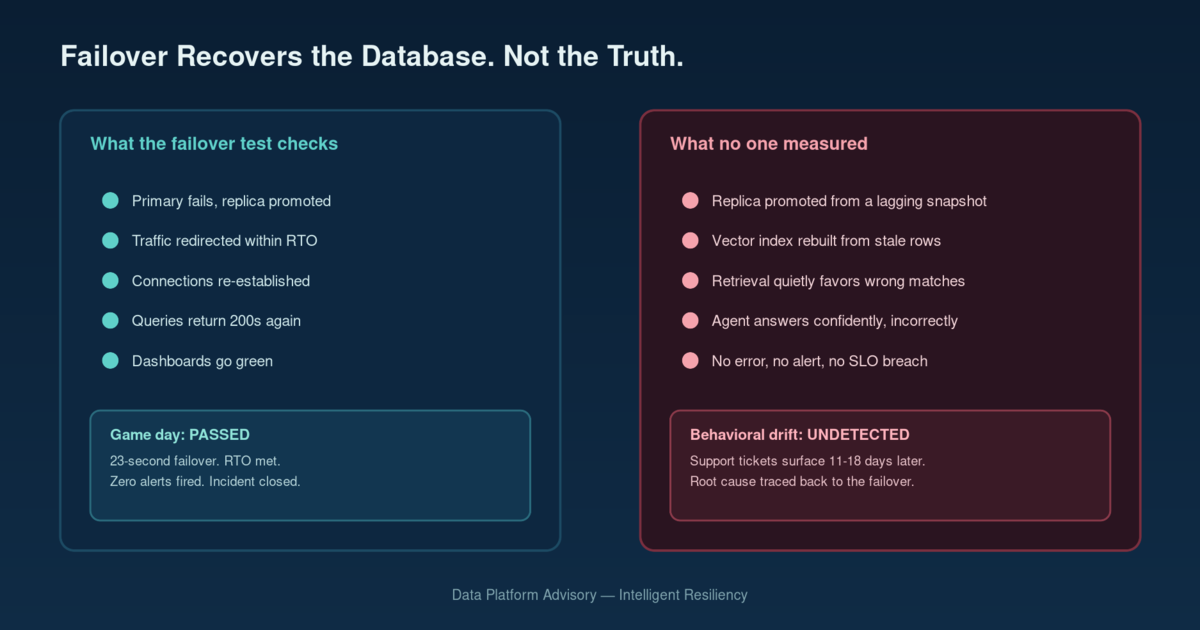
Your Database Failover Passed. Your AI Agents Didn't.
-
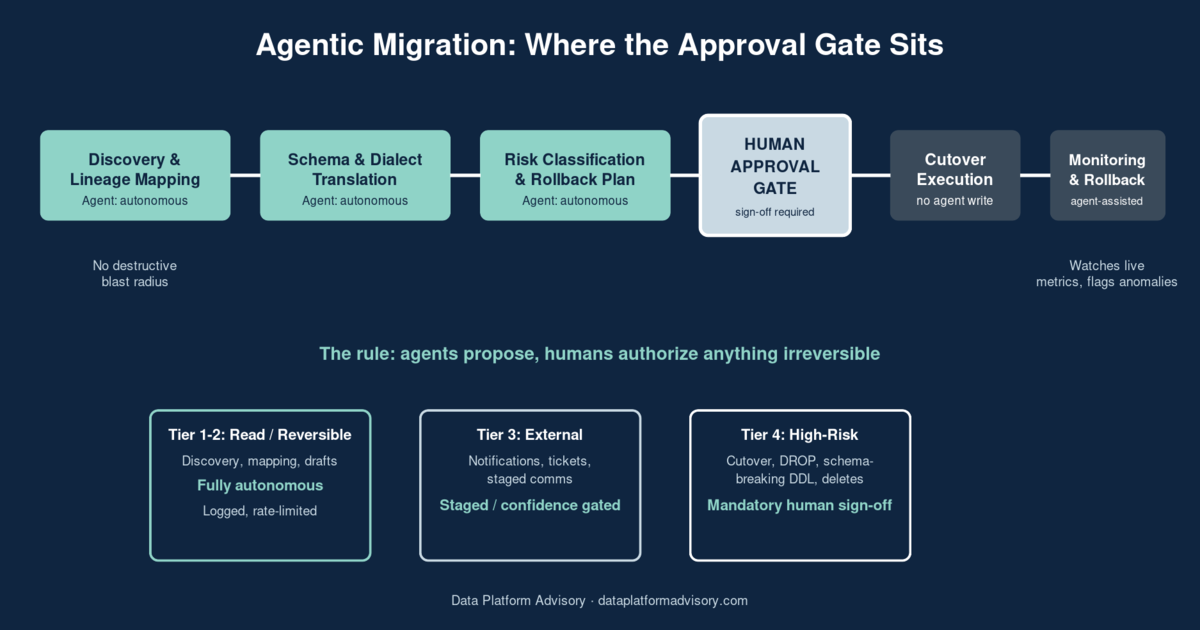
Guardrails for Agentic Migration: How Much Should AI Touch?
-
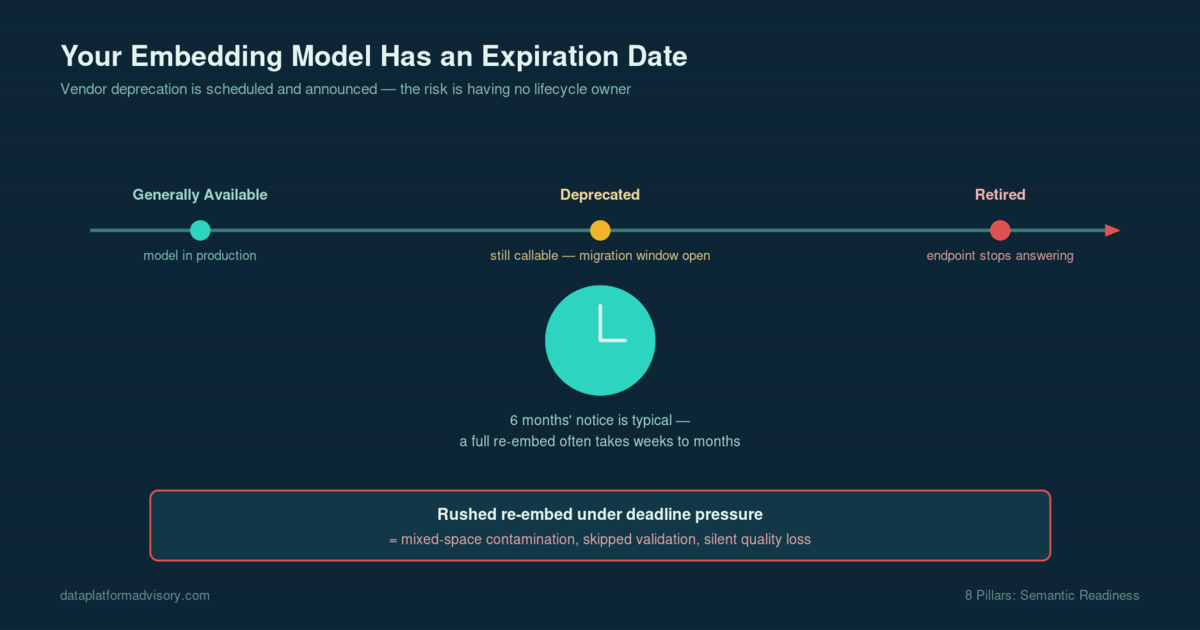
Your Embedding Model Has an Expiration Date. Do You Know It?
-
Your Data Contracts Weren't Built for AI Inference Speed
A broken data contract used to mean a dashboard showed a stale number until someone noticed and filed a ticket. In 2026, the same broken contract means an AI agent reads the corrupted field, treats it as ground truth, and generates confident, wrong outputs across every single query that touches it — before any human review cycle has a chance to catch it. Pipeline governance built for human-paced consumption is now the weakest link in the AI stack, and most data teams haven’t rebuilt it for the new speed.
-
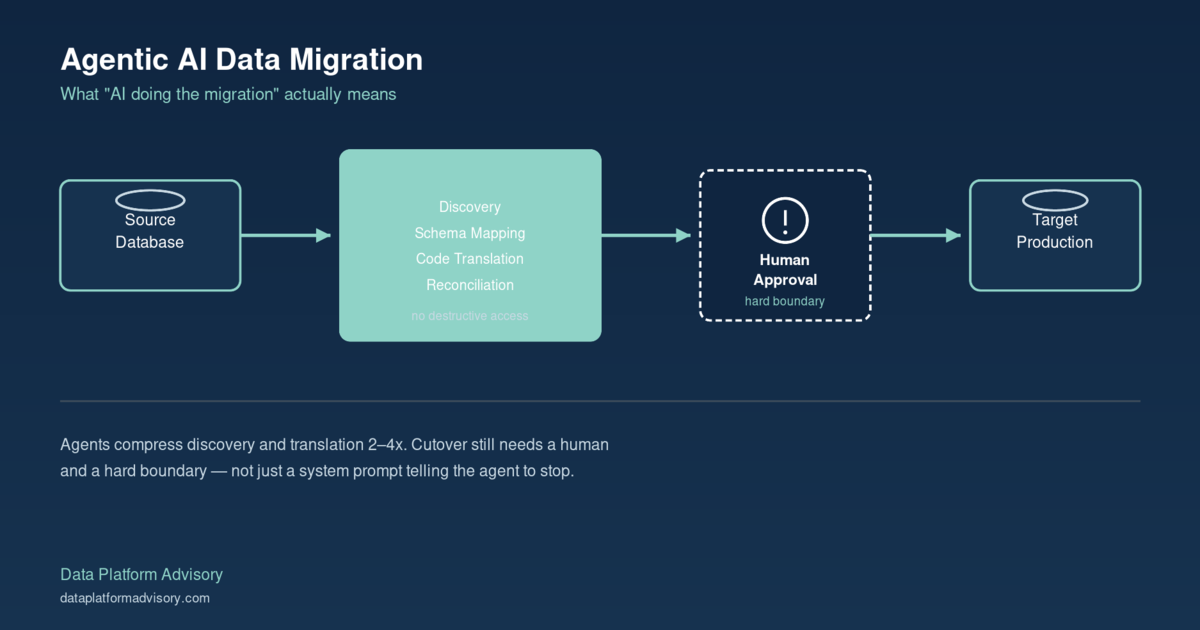
Agentic AI Data Migration: What 'AI Doing the Migration' Actually Means Now
-
How an AI Triage Bot Can Leak Your Database Credentials
A single GitHub issue title compromised the publish credentials for a widely used AI coding tool in February 2026 — no phishing, no stolen laptop, just text an attacker typed into a public form. The technique, now known as “Clinejection,” worked because an AI triage bot and a credentialed release pipeline shared a build cache. That exact architecture — an AI agent reading untrusted text, sitting one cache away from a workflow that holds real secrets — is already showing up in database CI/CD pipelines that use AI to triage schema-migration pull requests. If your pipeline lets an agent read a PR description before a human reviews the migration it describes, you may have the same vulnerability with your database credentials in the blast radius instead of an npm token.
-
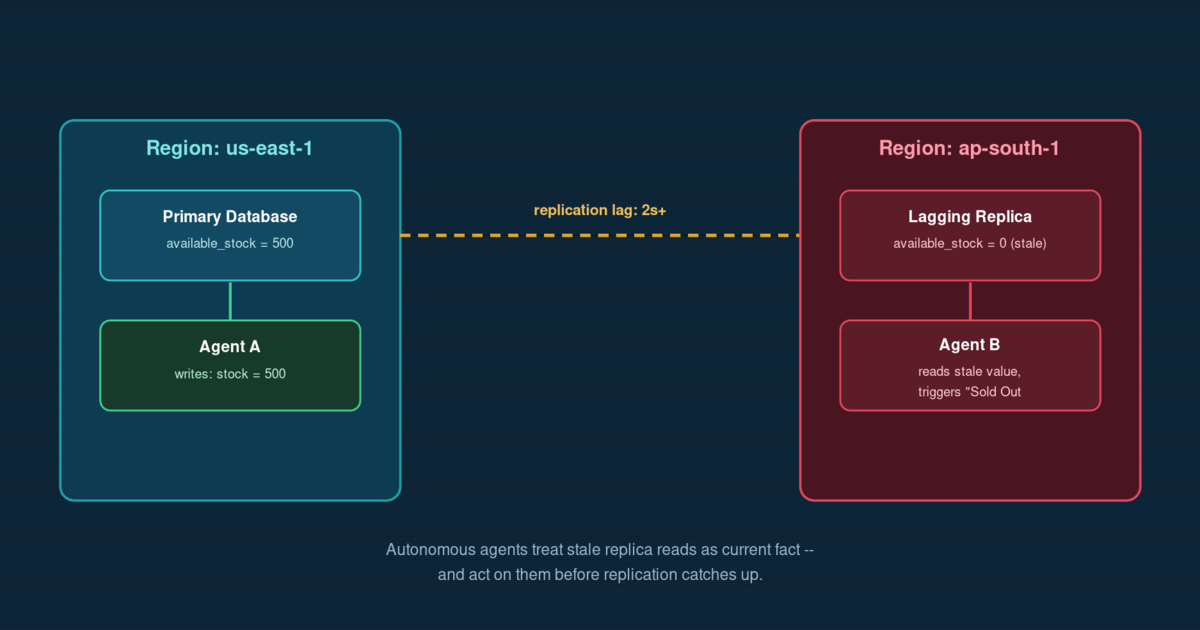
Replication Lag Is Poisoning Your AI Agents' Context
-
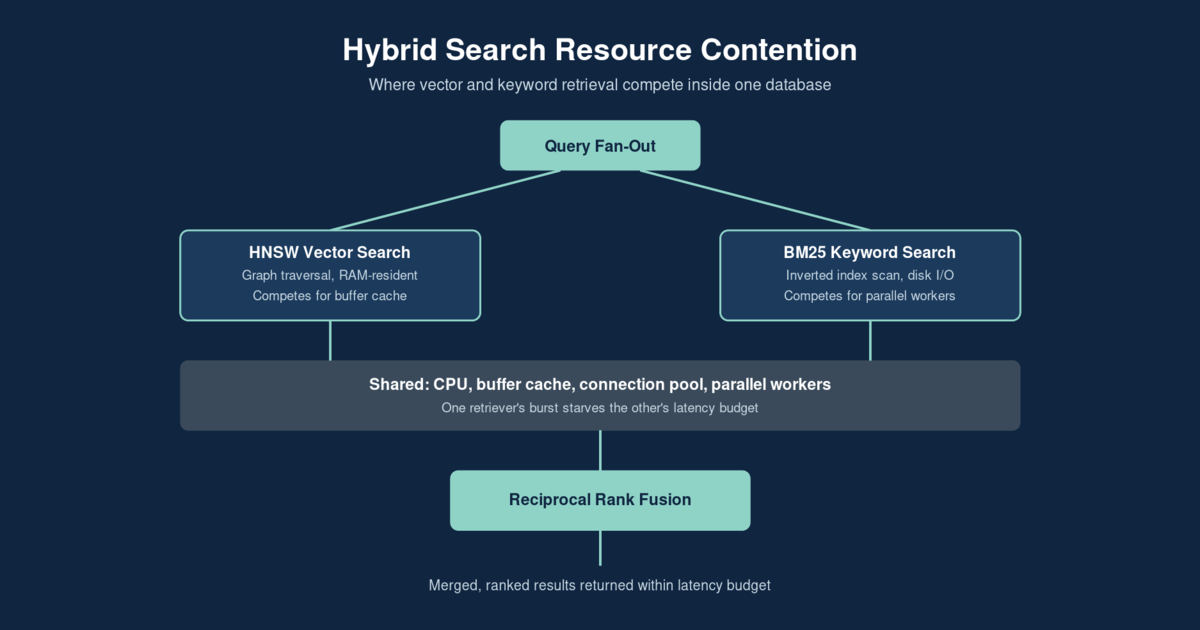
Performance Tuning for Hybrid Search: Vector vs. Keyword Resource Contention
-
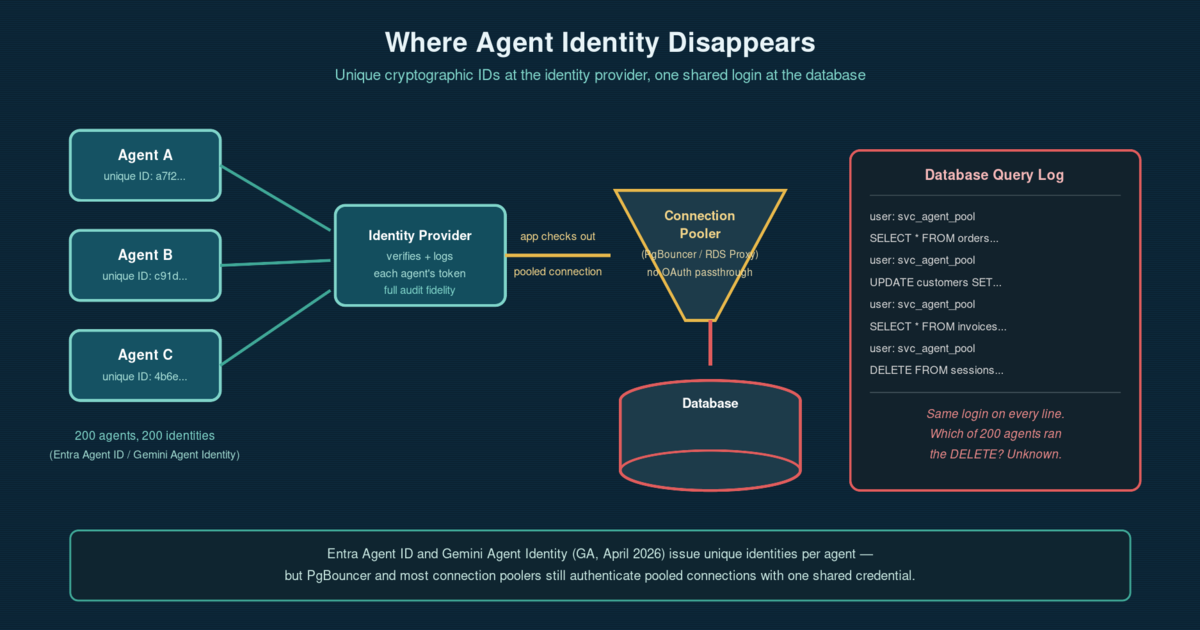
Your AI Agents Got Real Identities. Your Pooler Erased Them
-
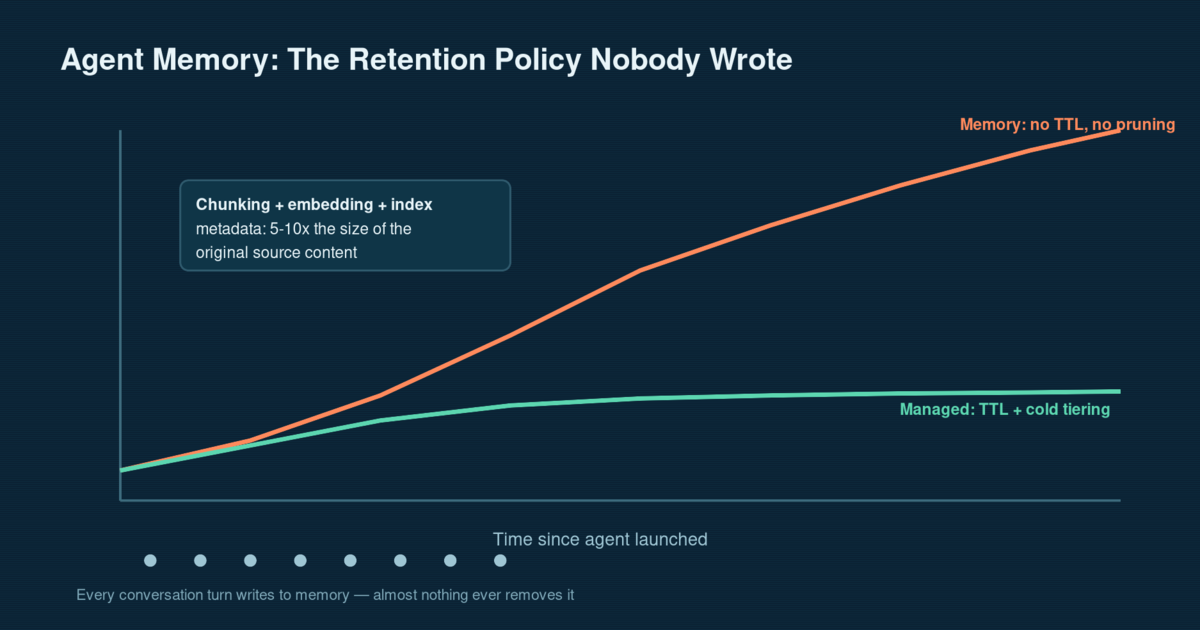
Nobody Set a Retention Policy for Your AI Agent's Memory
-
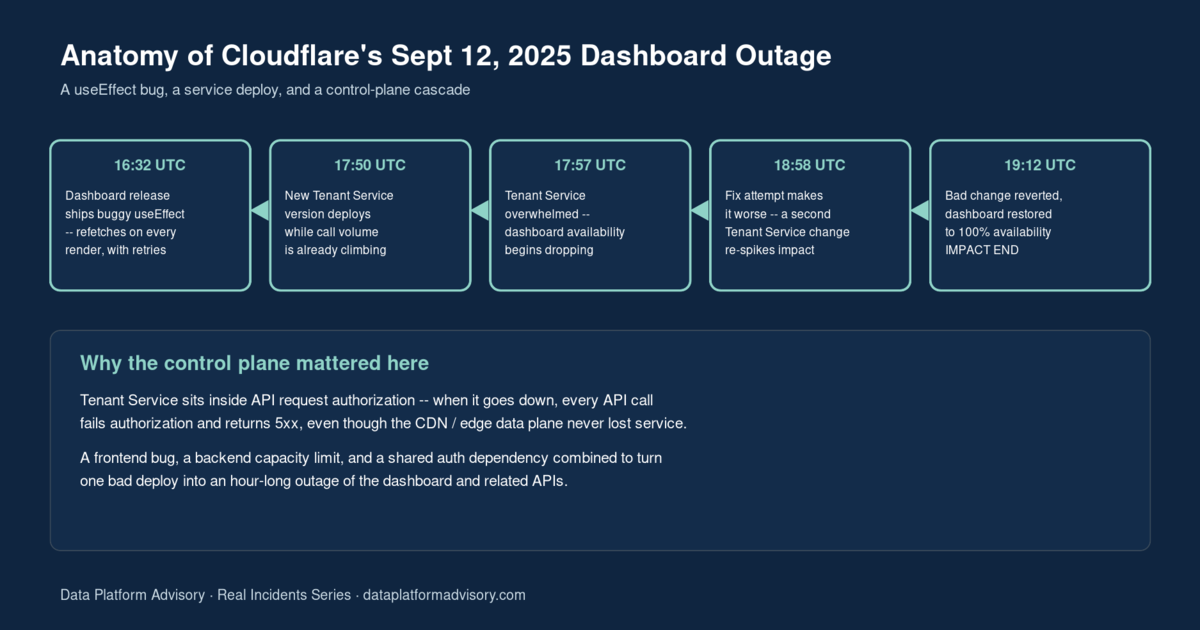
Anatomy of an API Outage: What Broke When Cloudflare's Dashboard Went Down
-
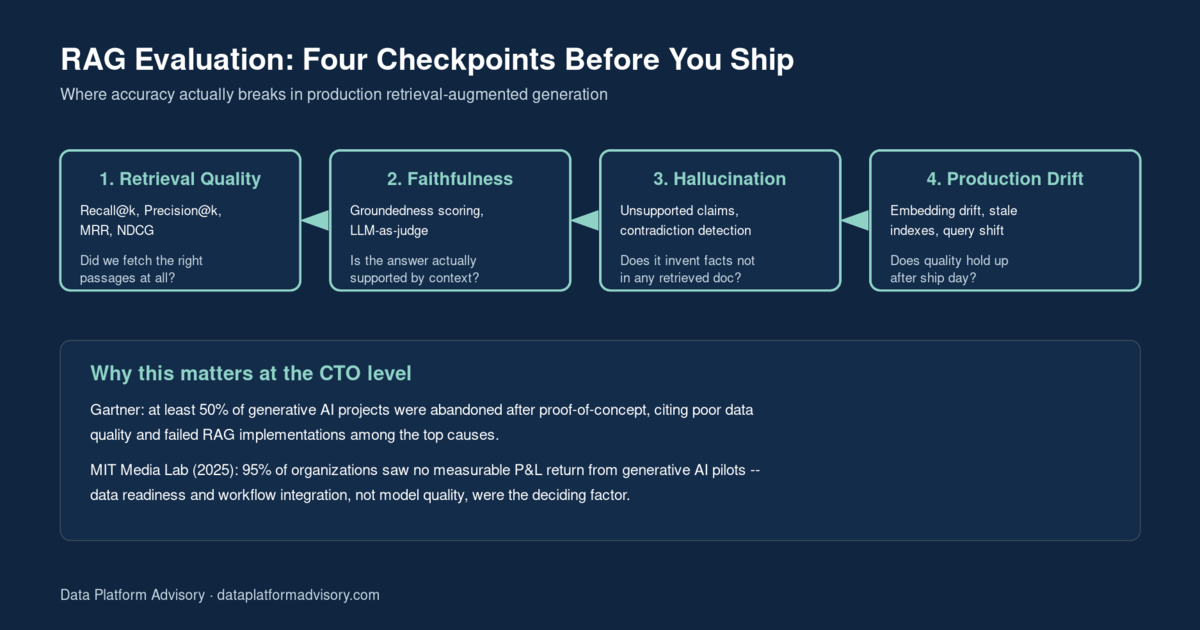
A CTO's Guide to Evaluating RAG Systems Before You Ship
-
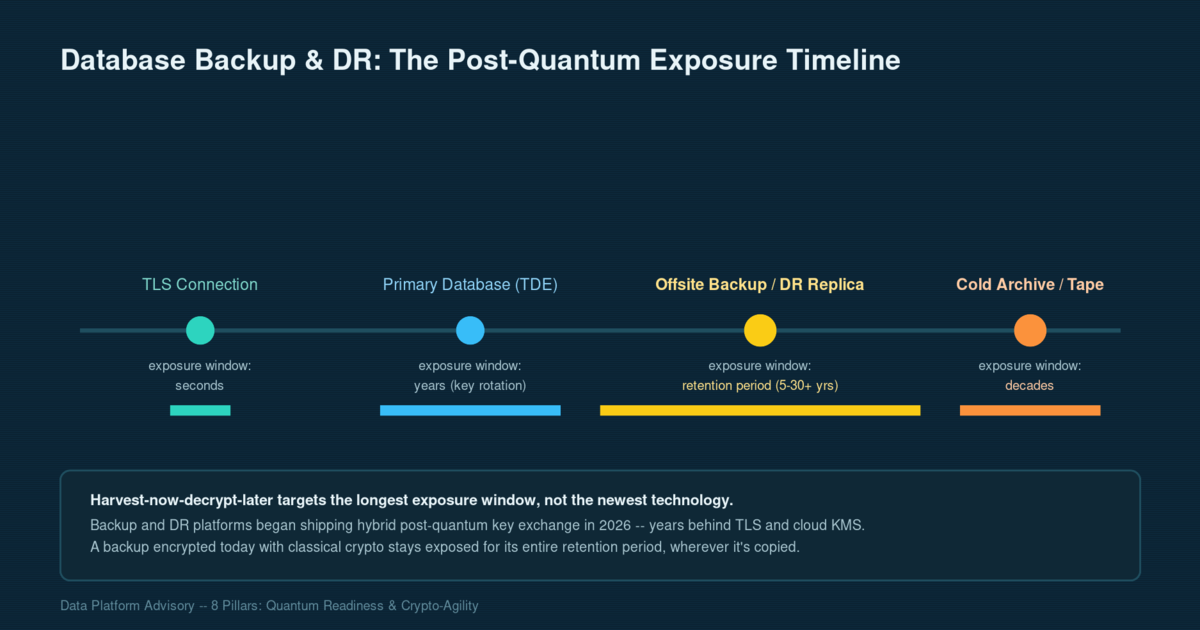
Database Backups: The Quantum Risk Your Inventory Missed
-
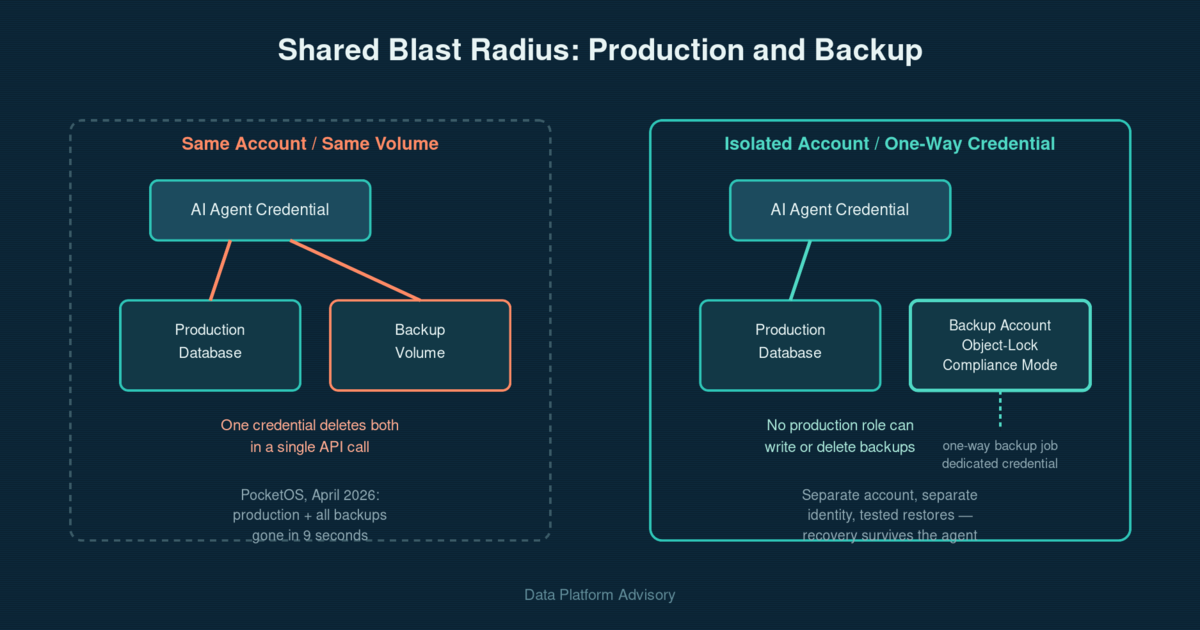
When Your Backup Has the Same Blast Radius as Production
-
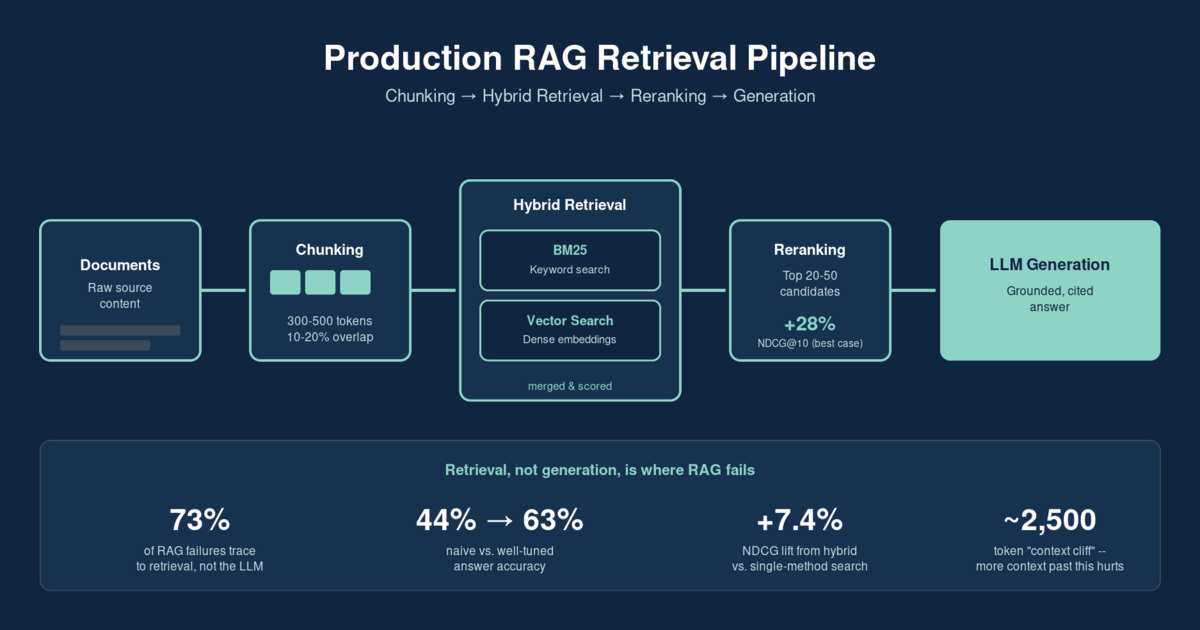
RAG in Production: Chunking, Hybrid Retrieval, and What Actually Moves the Needle
-
Your Multi-Tenant Vector Database Has No Real Access Control
Most SaaS platforms building RAG features share one vector database across every customer and rely on a metadata filter to keep tenants apart. That filter is application logic, not database-enforced access control, and vector databases were not built with the same isolation guarantees relational databases have had for decades. The result is a semantic search stack where one tenant’s query can, under the right conditions, retrieve another tenant’s private documents.
-
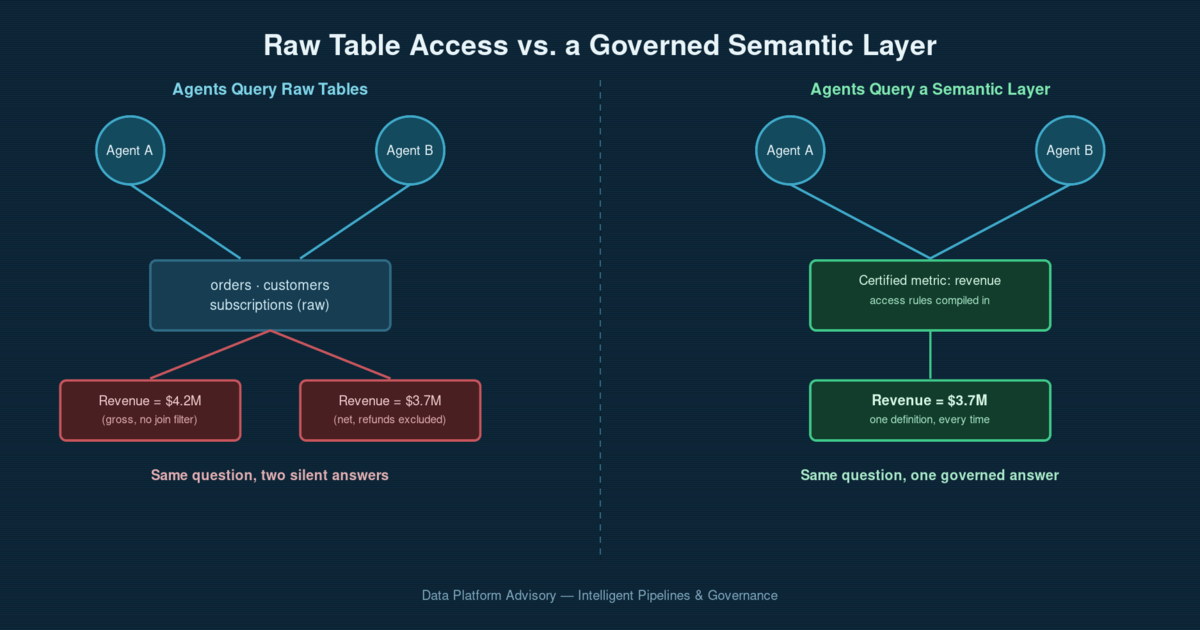
When AI Agents Skip the Semantic Layer, Metrics Diverge
-
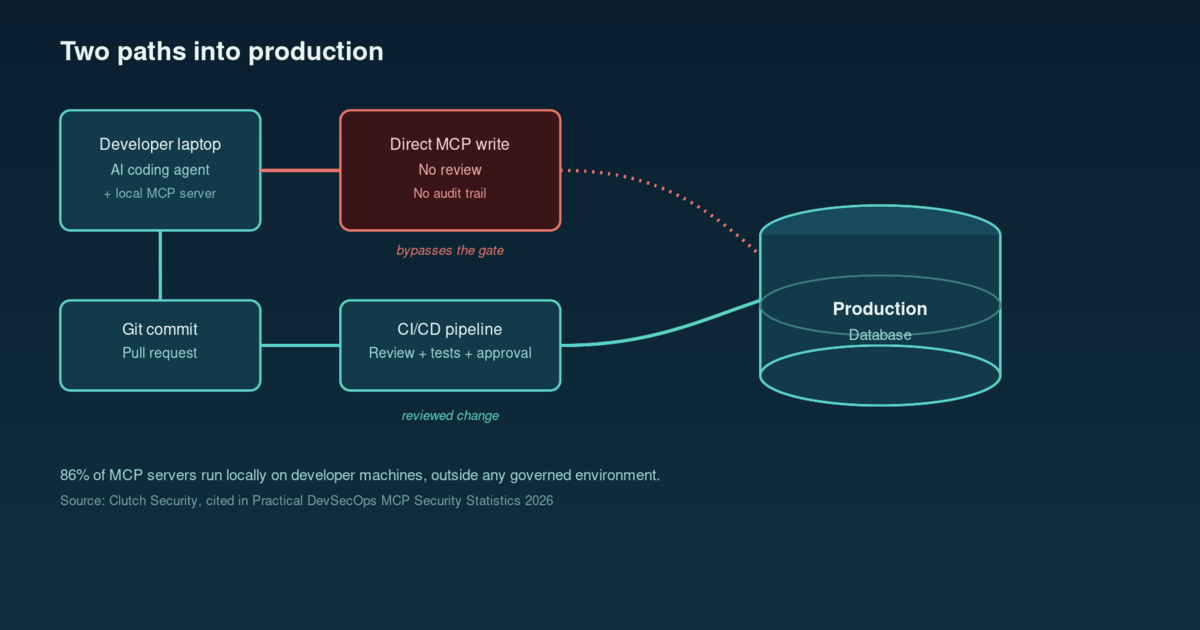
Database MCP Servers Are Quietly Bypassing Your CI/CD Gate
-
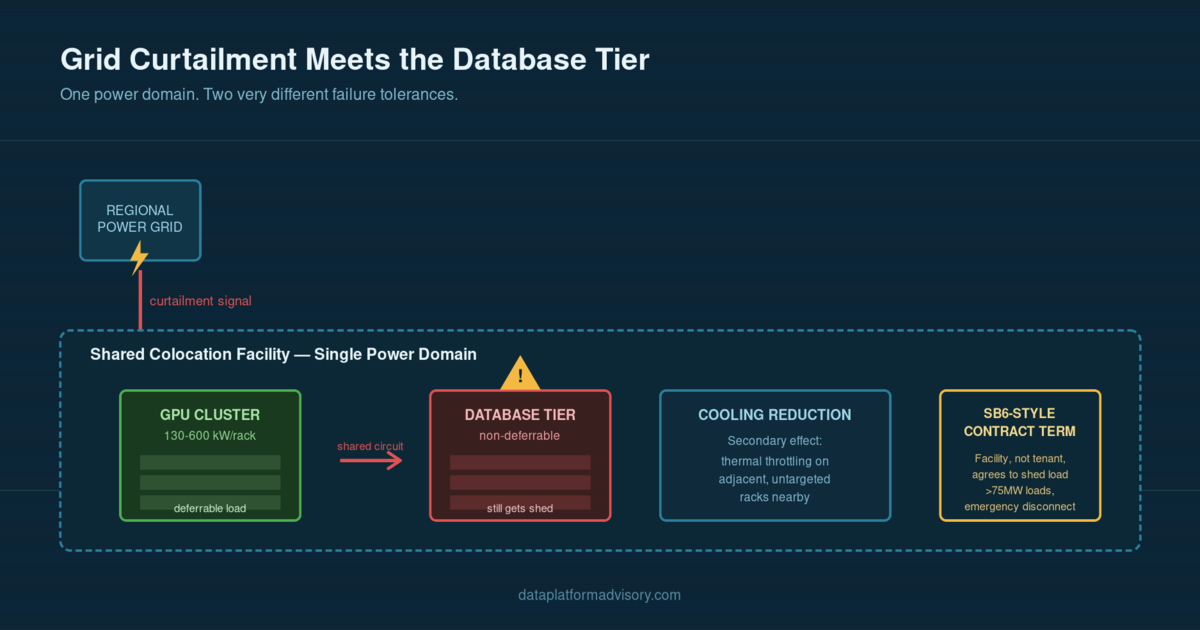
Grid Curtailment Clauses Are Now a Database Uptime Risk
-
The AI Agent Was Retired. Its Database Access Wasn't.
When an employee leaves, HR files a ticket, IT runs a checklist, and access gets pulled the same day. When an AI agent gets retired, replaced by a newer model, or quietly abandoned after a project pivot, nothing files that ticket. Its database credentials, connection strings, and role grants keep working indefinitely — because deprovisioning an AI agent has no equivalent of an exit interview.
-
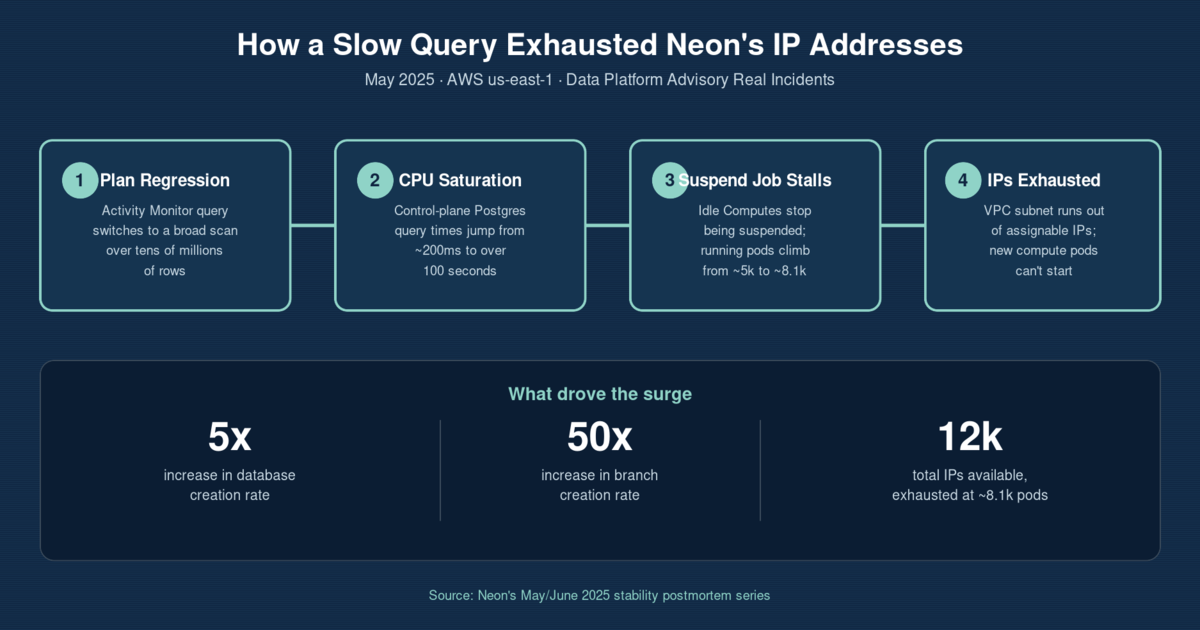
When Success Becomes the Outage: Inside Neon's IP Exhaustion Incident
-
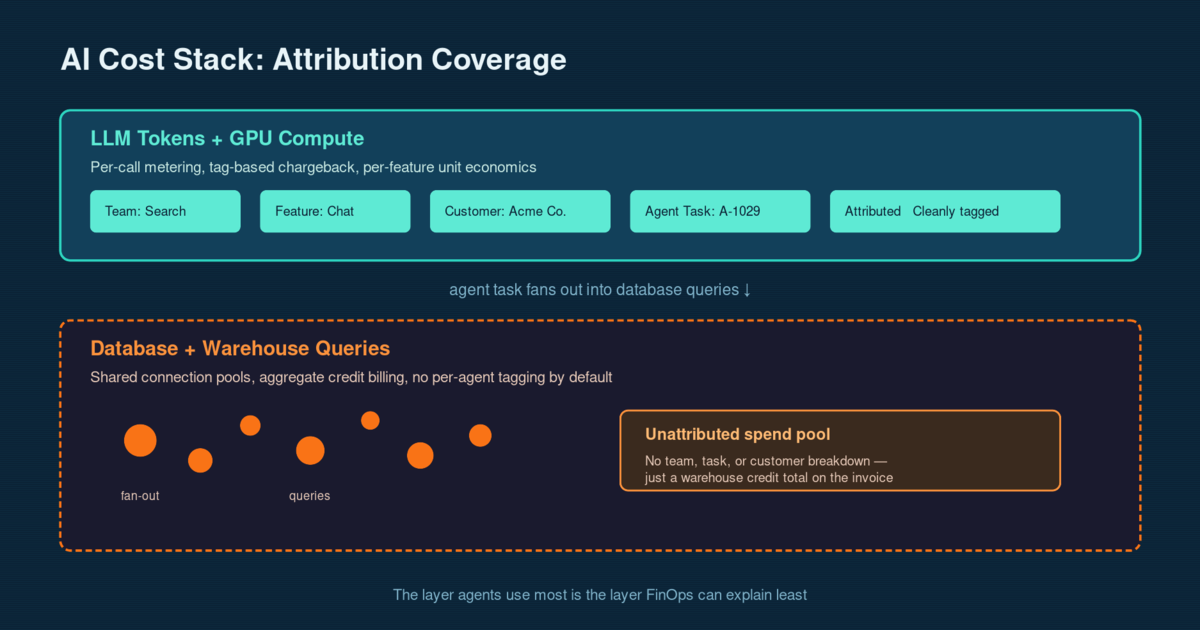
Your Database Is AI FinOps' Last Attribution Blind Spot
-
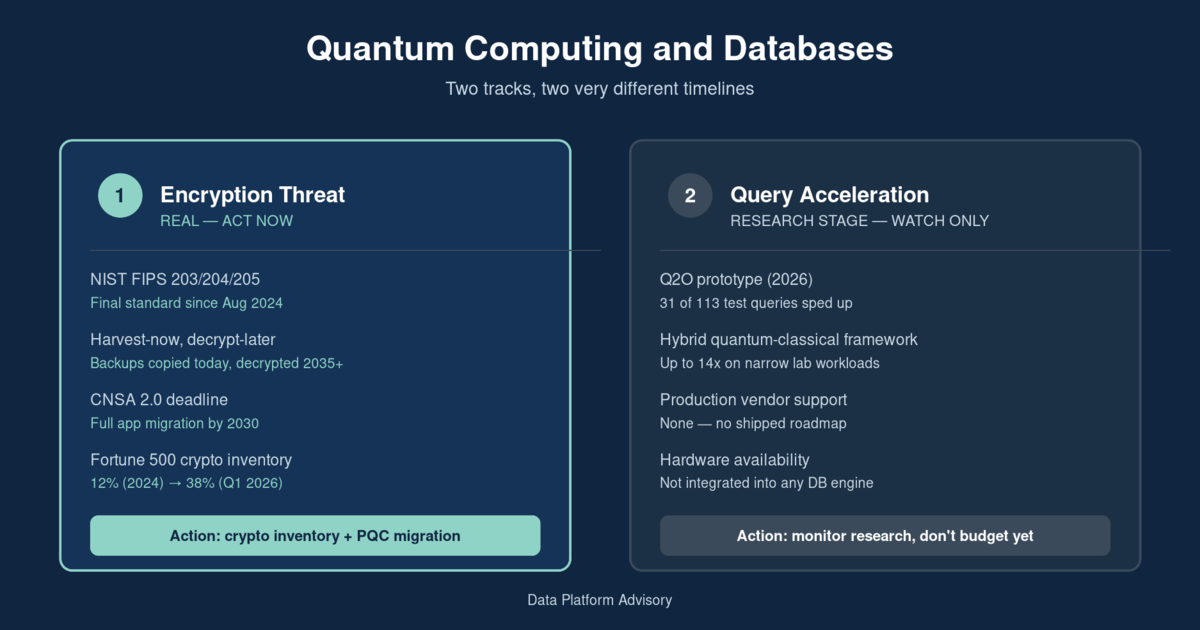
Quantum Computing and Databases: What's Actually Coming vs. What's Noise
-
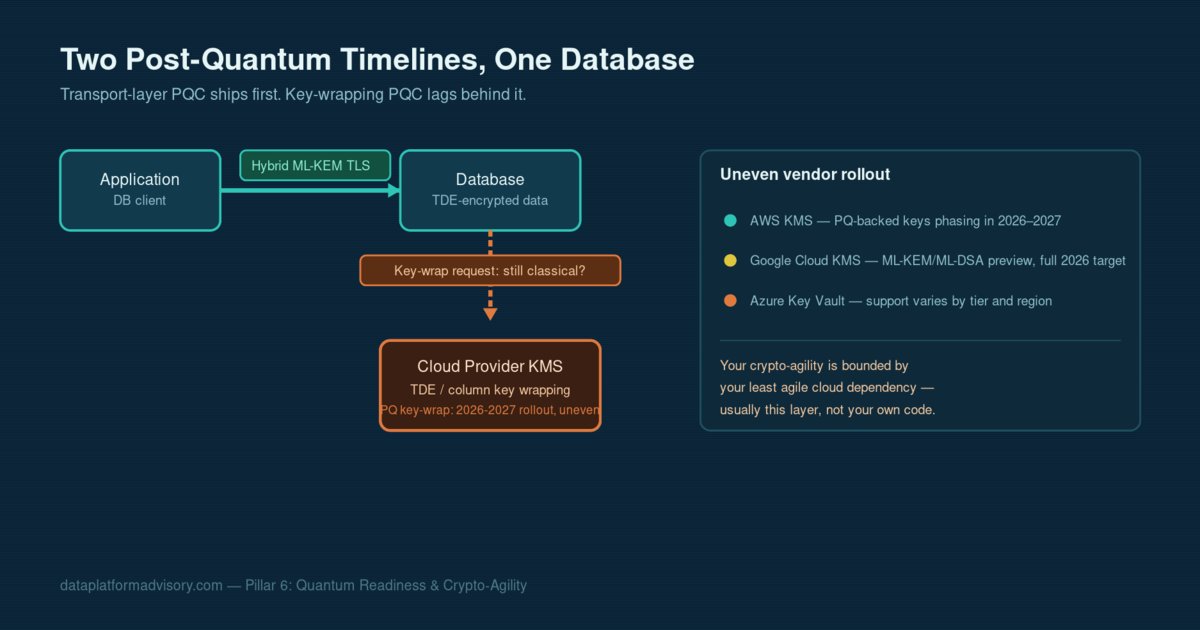
The Post-Quantum Gap Hiding Inside Your Cloud Database KMS
-
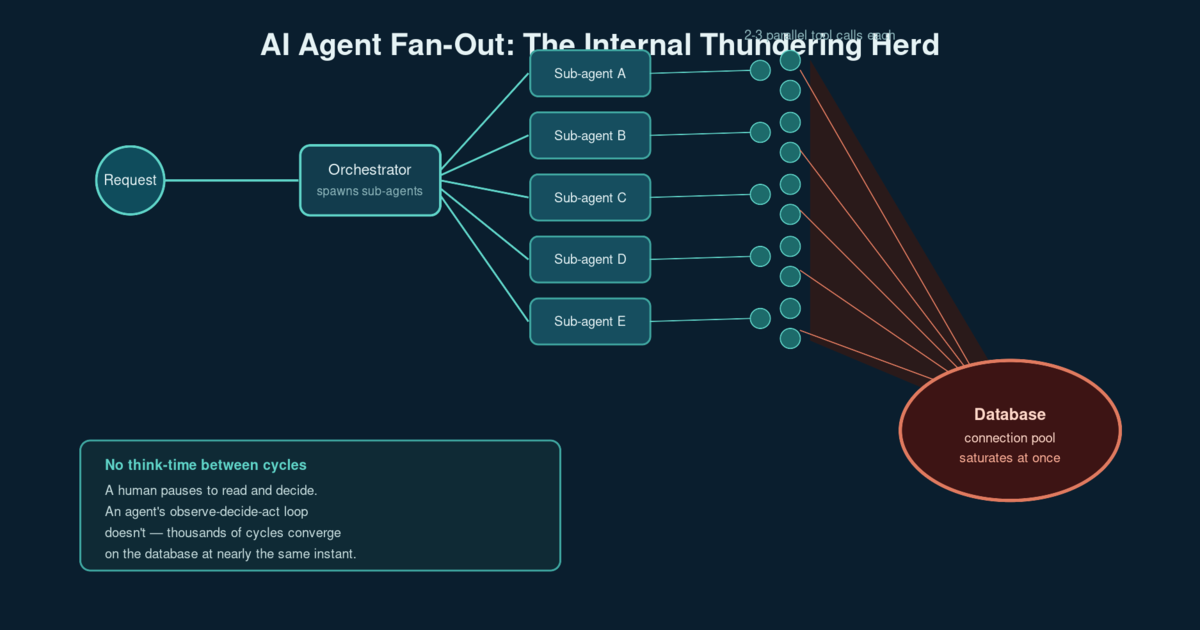
AI Agent Fan-Out Is the New Thundering Herd for Databases
-
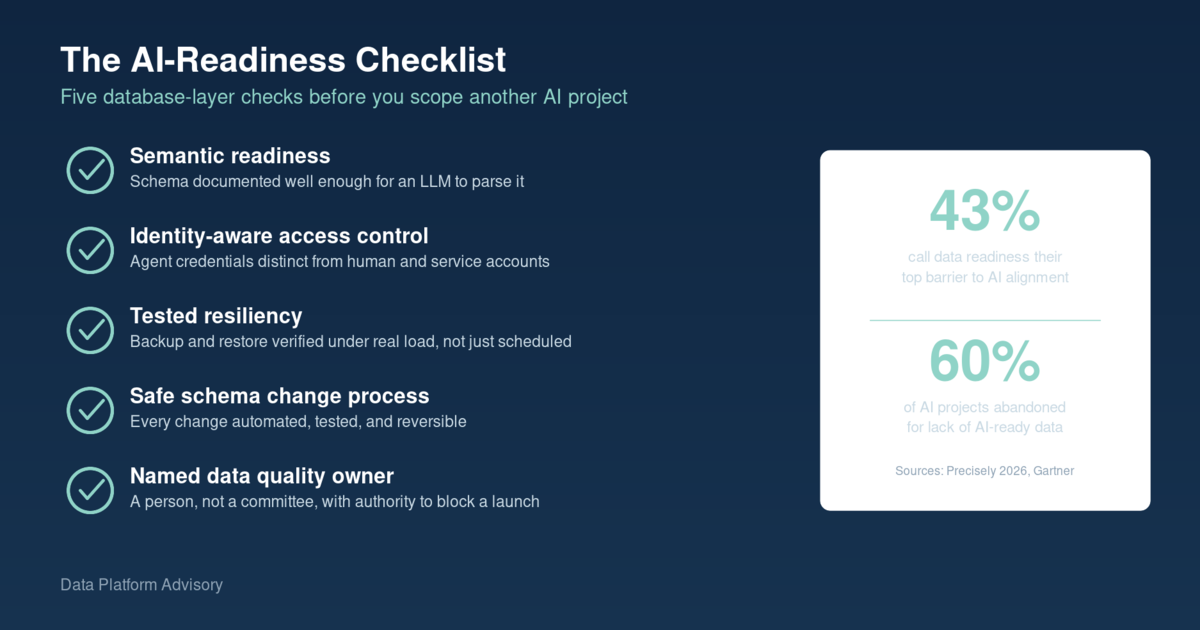
The Database Modernization Checklist Every CTO Should Run Before Scaling AI
-
Your Vector Store Doesn't Check IDs at the Door. That's the Problem
Retrieval-augmented generation systems trust their knowledge base by default. Every document, row, or chunk that gets indexed into a vector store is treated as legitimate evidence the moment it’s ingested, with no equivalent of input validation for the content itself. Security researchers now call this attack surface knowledge poisoning, and recent academic work shows the databases underneath most production RAG systems have almost no defense against it.
-
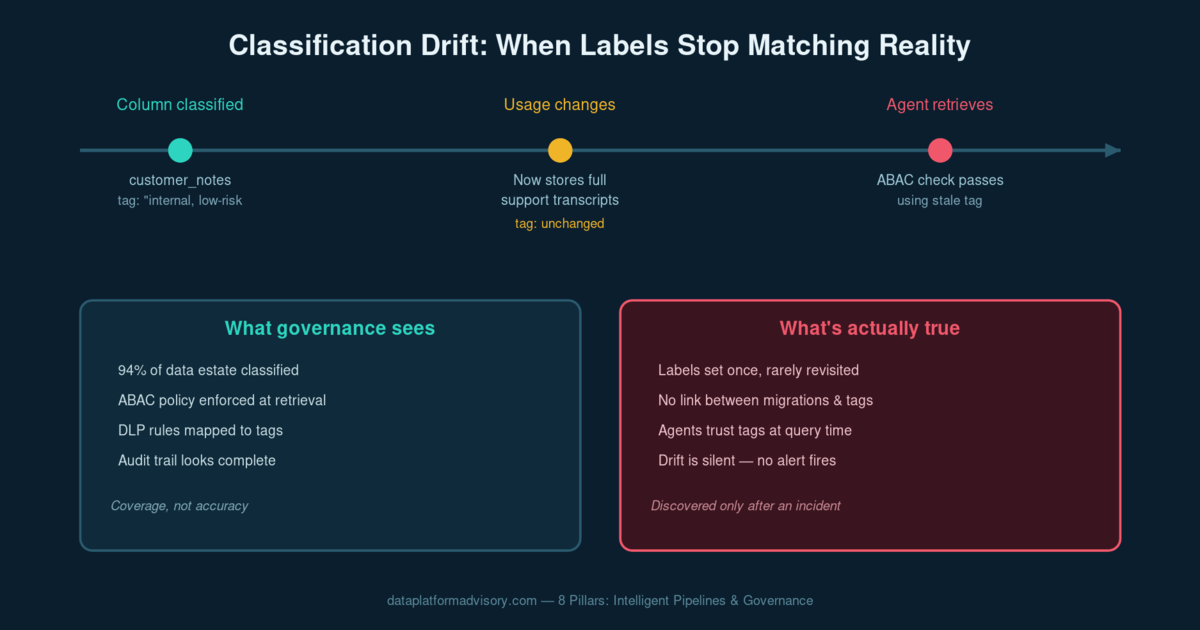
Your Sensitivity Labels Are Lying to Your AI Agents
-
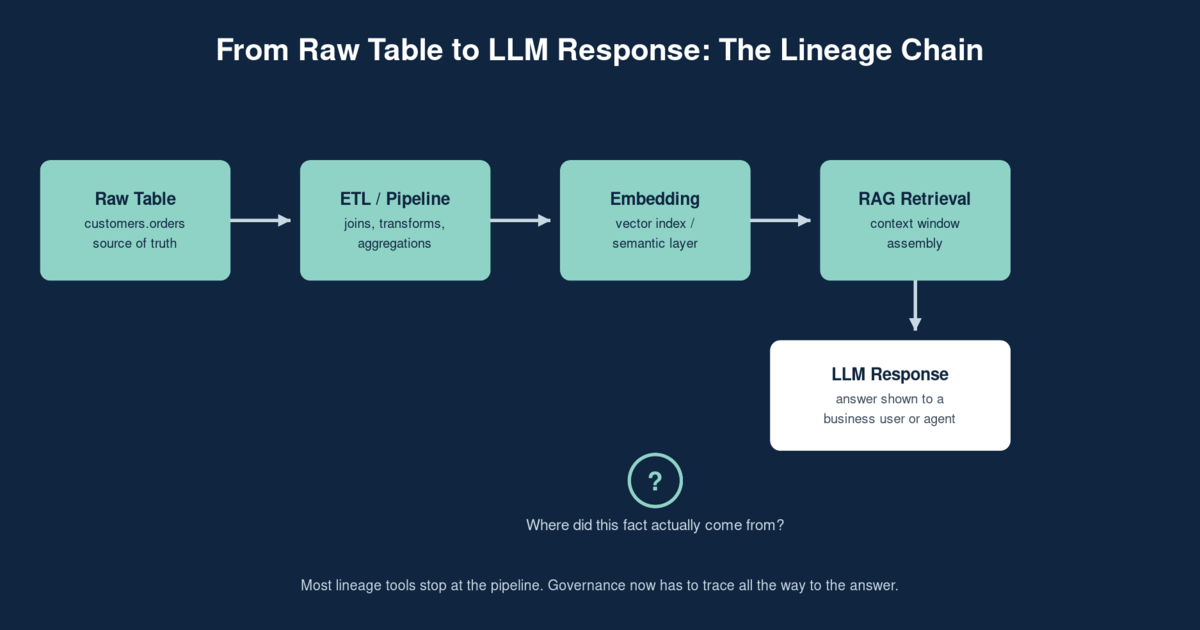
Data Lineage From Raw Table to LLM Response: Why Governance Is Now a Database Problem
-
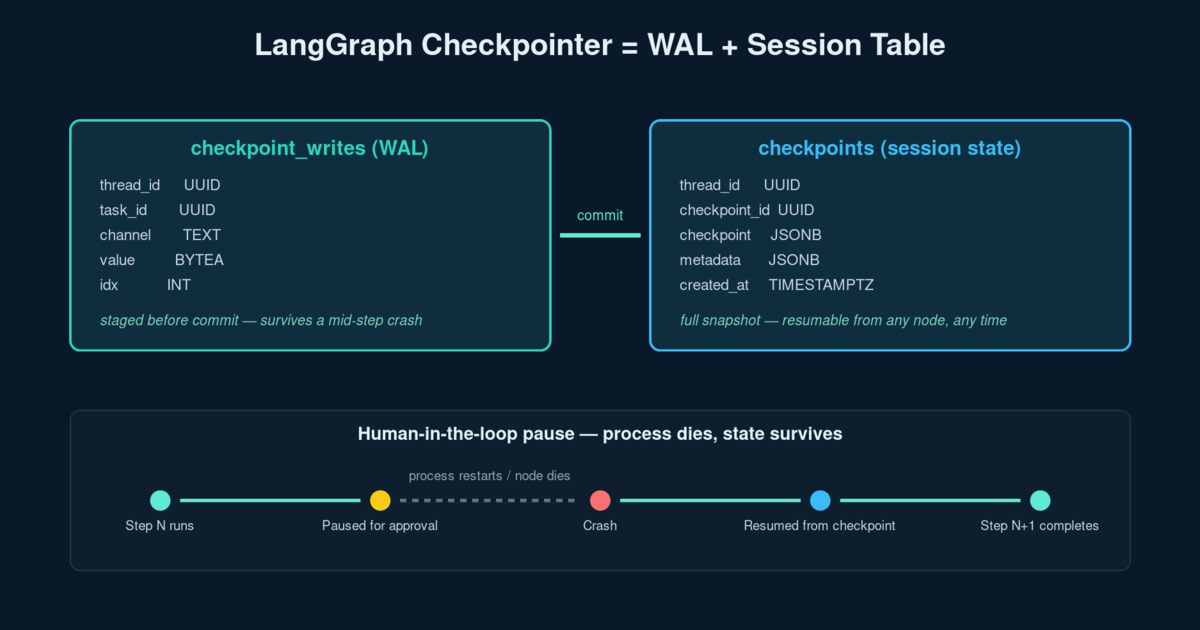
LangGraph is a Stateful Database Problem
-
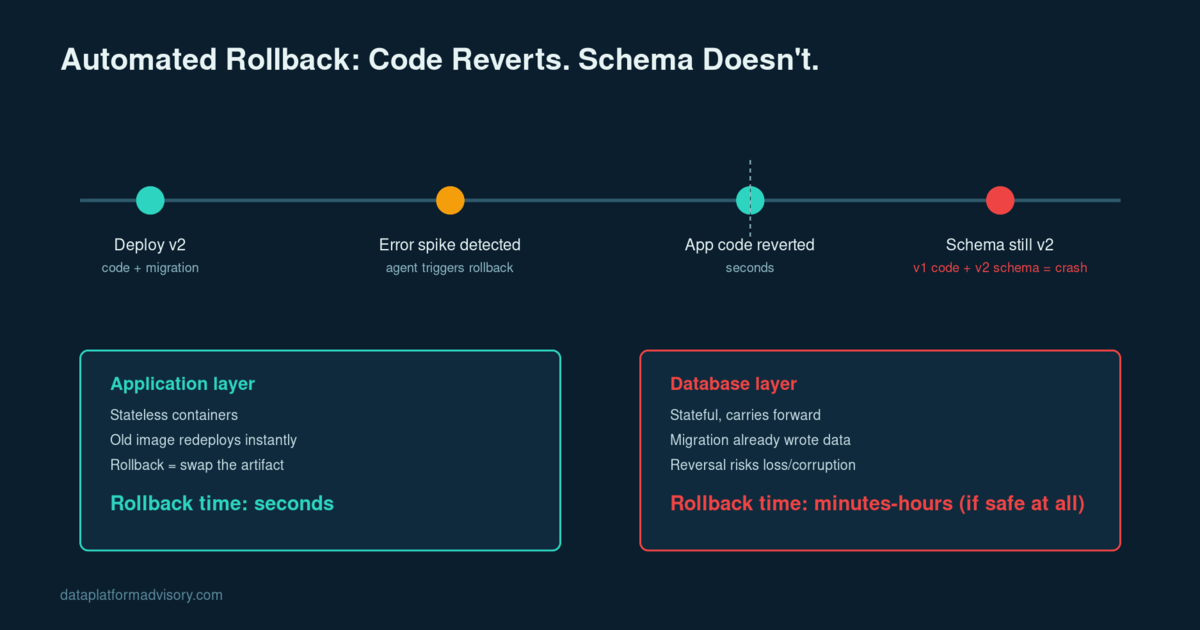
When Automated Rollback Reverts Your Code but Not Your Schema
-
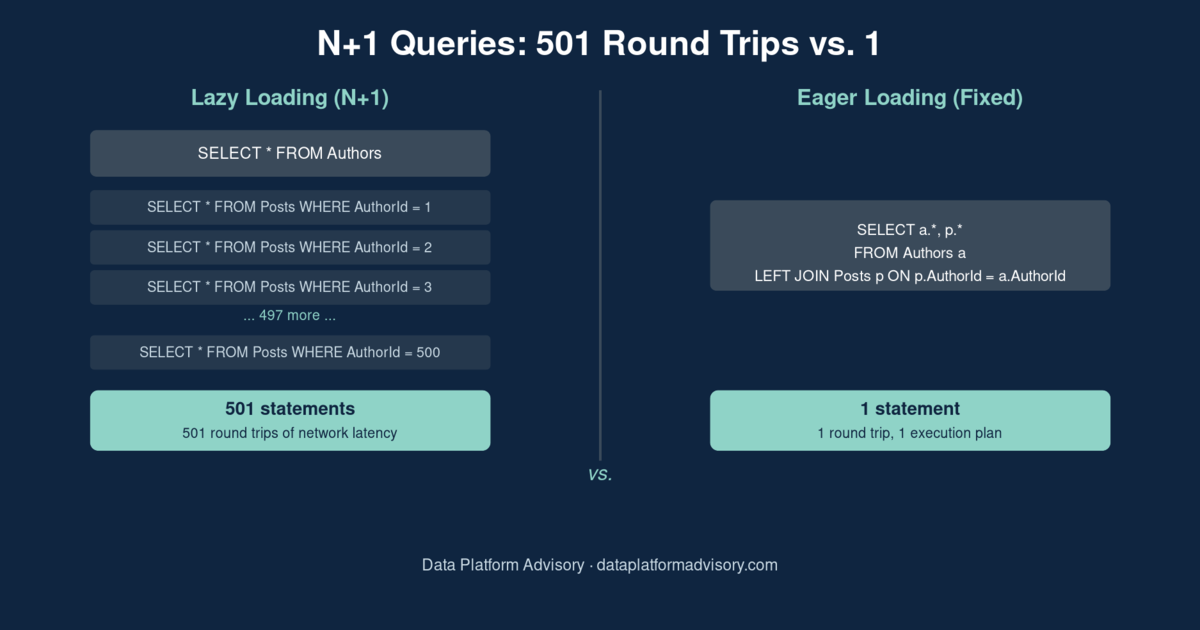
N+1 Queries: Catching the ORM Pattern Quietly Killing Your DB
-
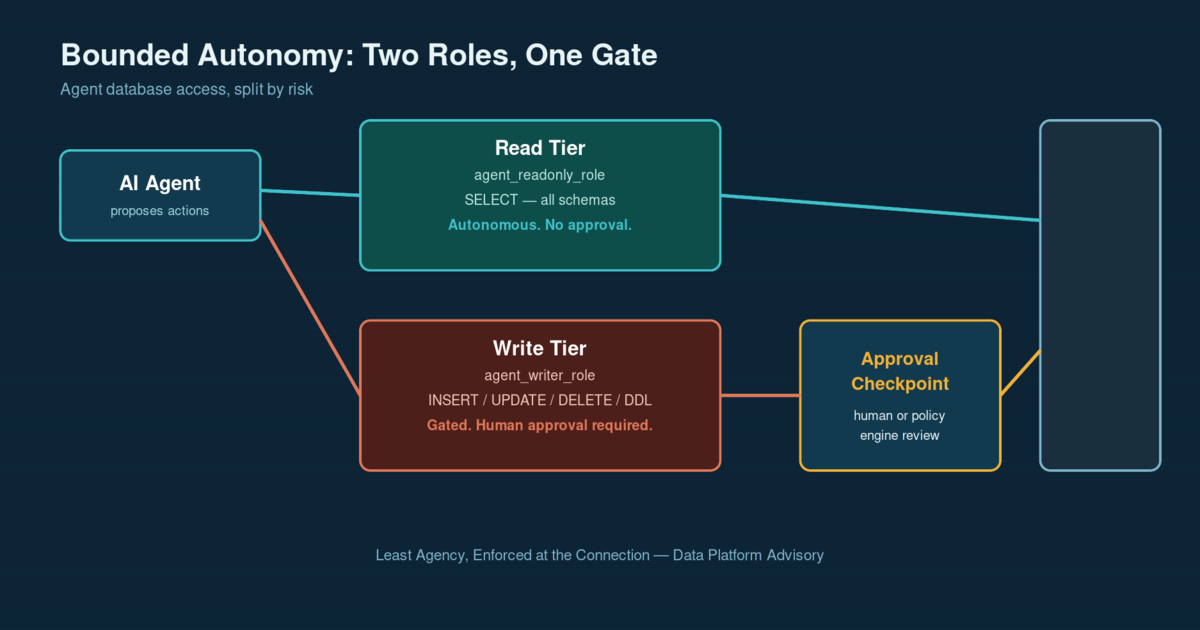
Securing Autonomous AI: Data Governance for Agents
-
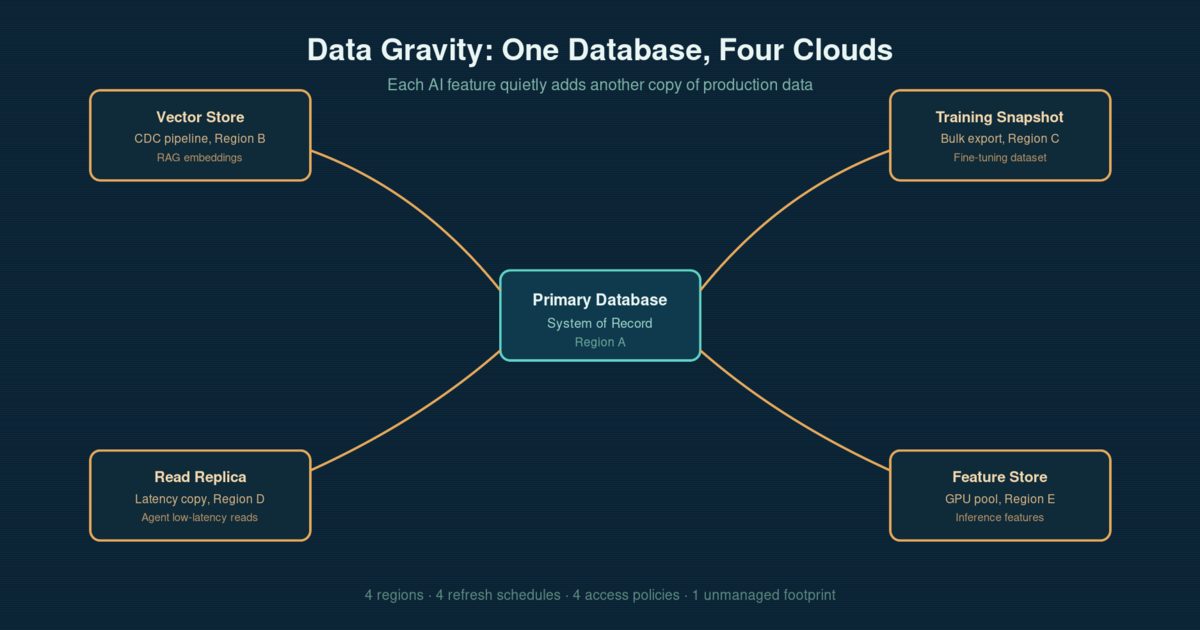
Data Gravity Is Quietly Cloning Your Production Database
-
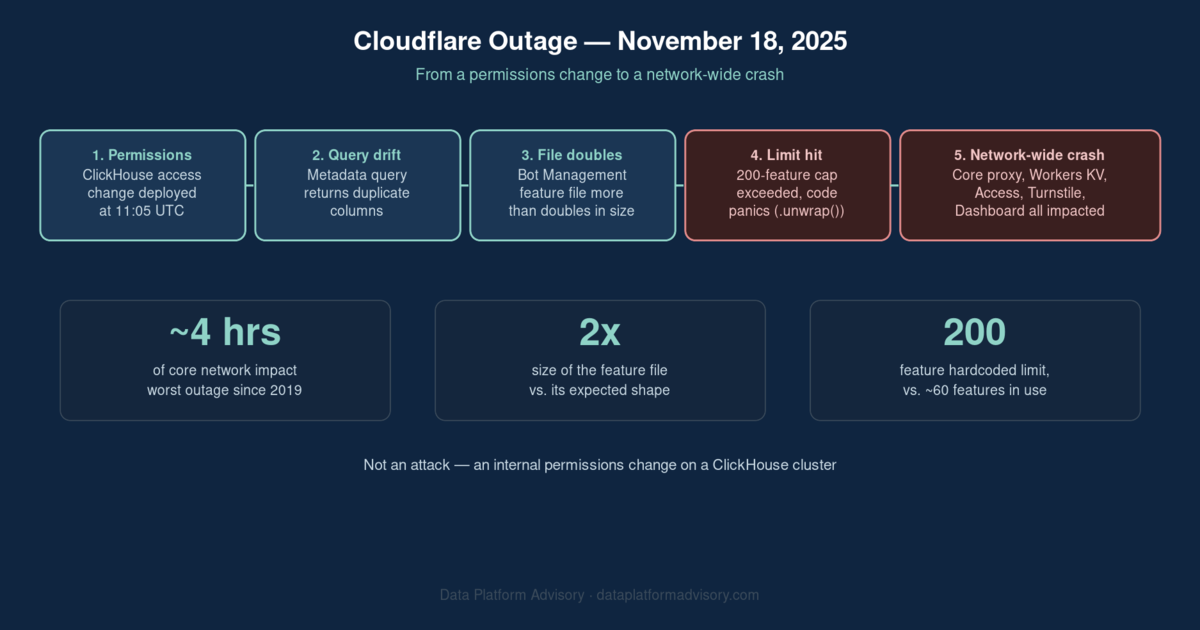
How a Routine Database Permission Change Took Down Half the Internet: The Cloudflare Outage
-
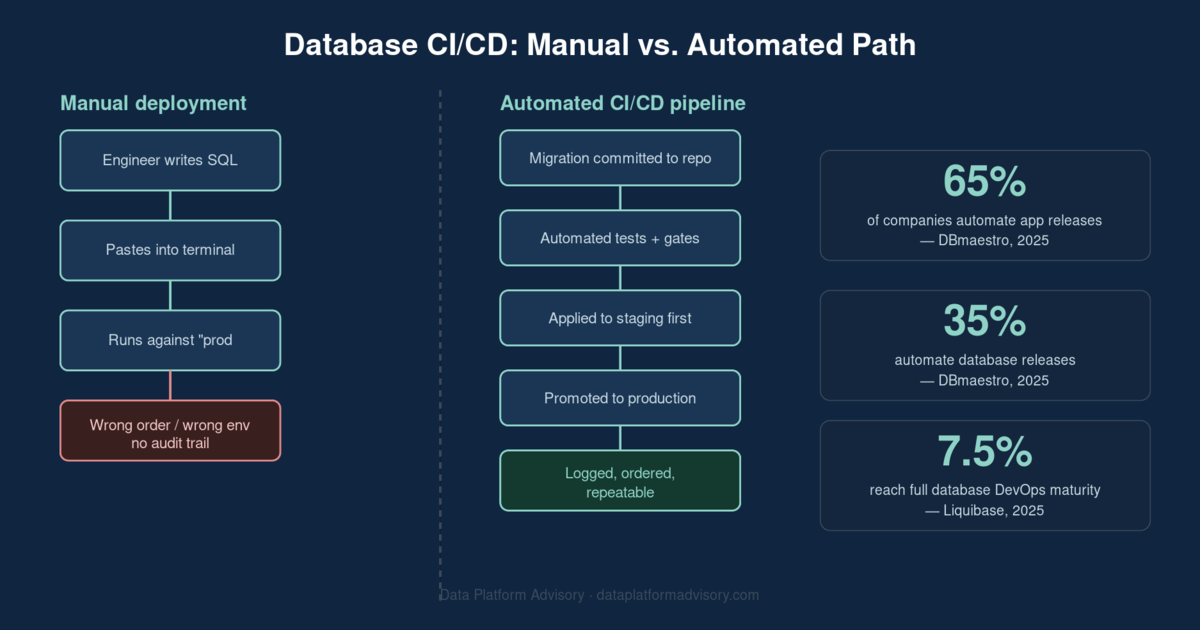
CI/CD for Databases: Why Most Teams Still Deploy Schema Changes by Hand
-
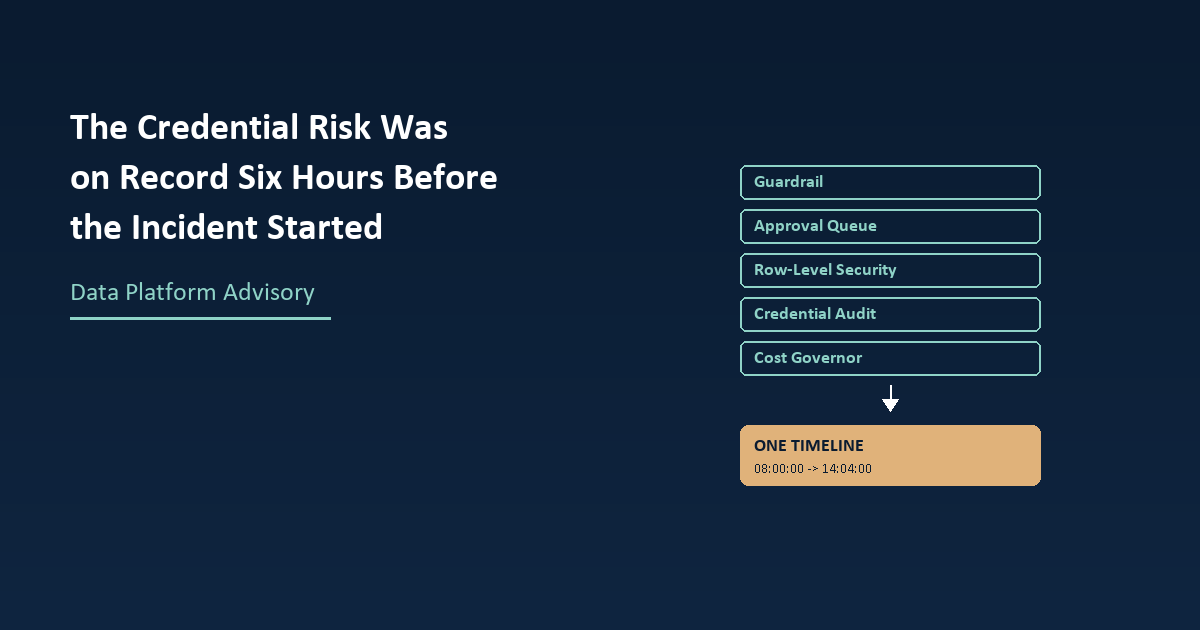
The Credential Risk Was on Record Six Hours Before the Incident Started
-
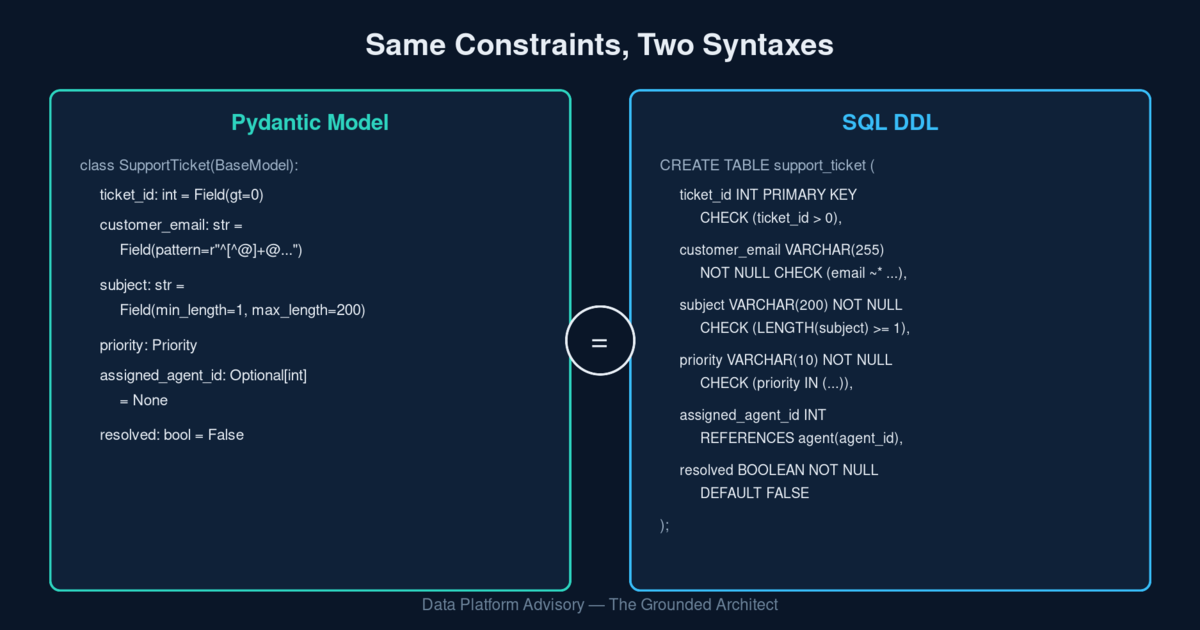
Pydantic is Just Relational Data Modeling for Python
-
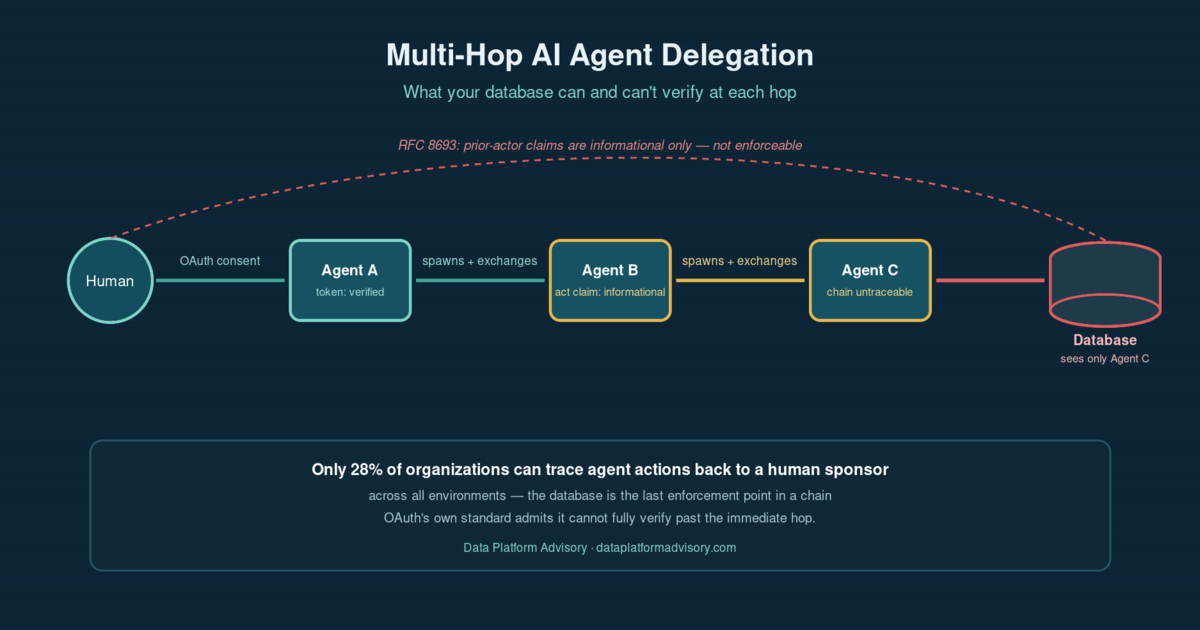
Your Database Can't See Who's Really Behind That Query
-
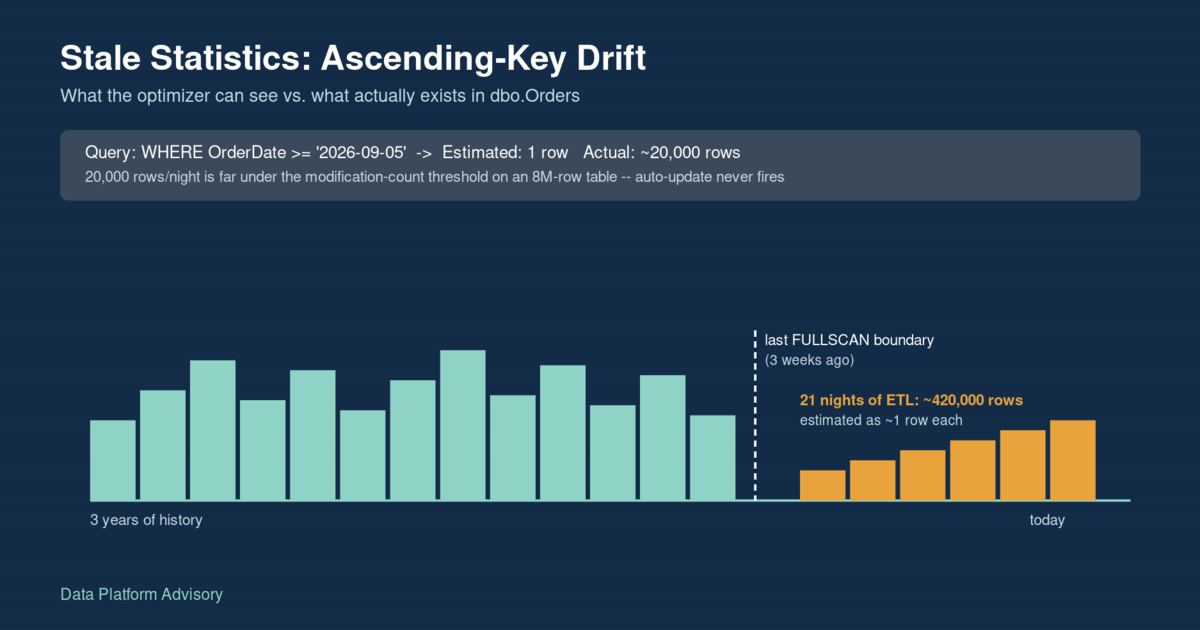
Stale Statistics: The Silent Killer of Good Execution Plans
-
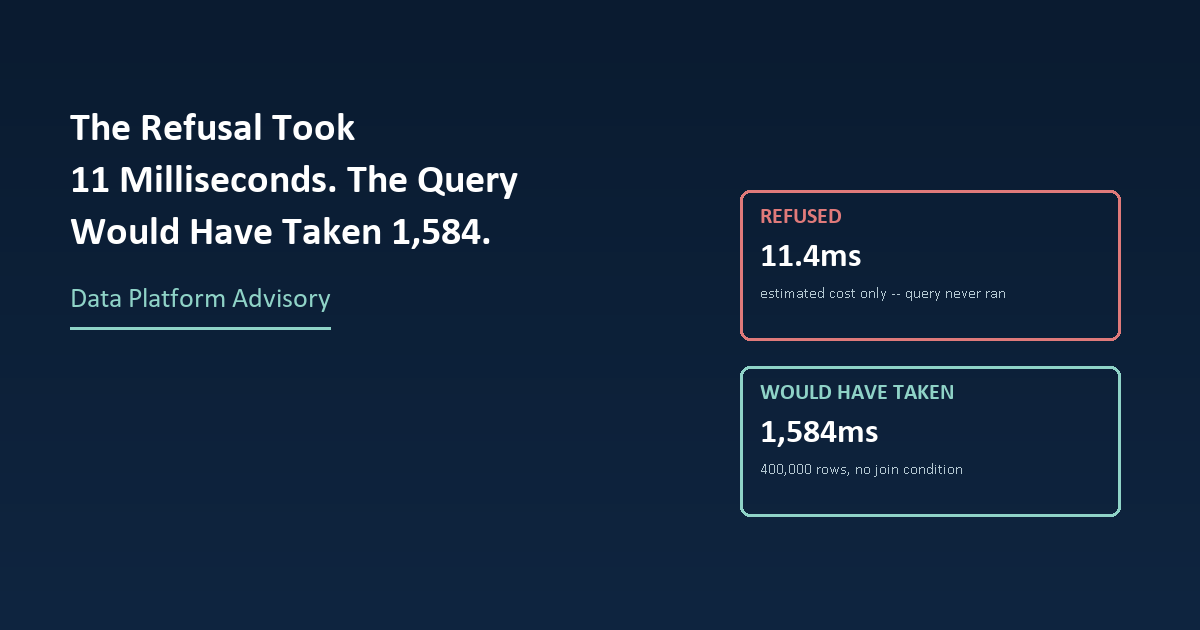
The Refusal Took 11 Milliseconds. The Query Would Have Taken 1,584.
-
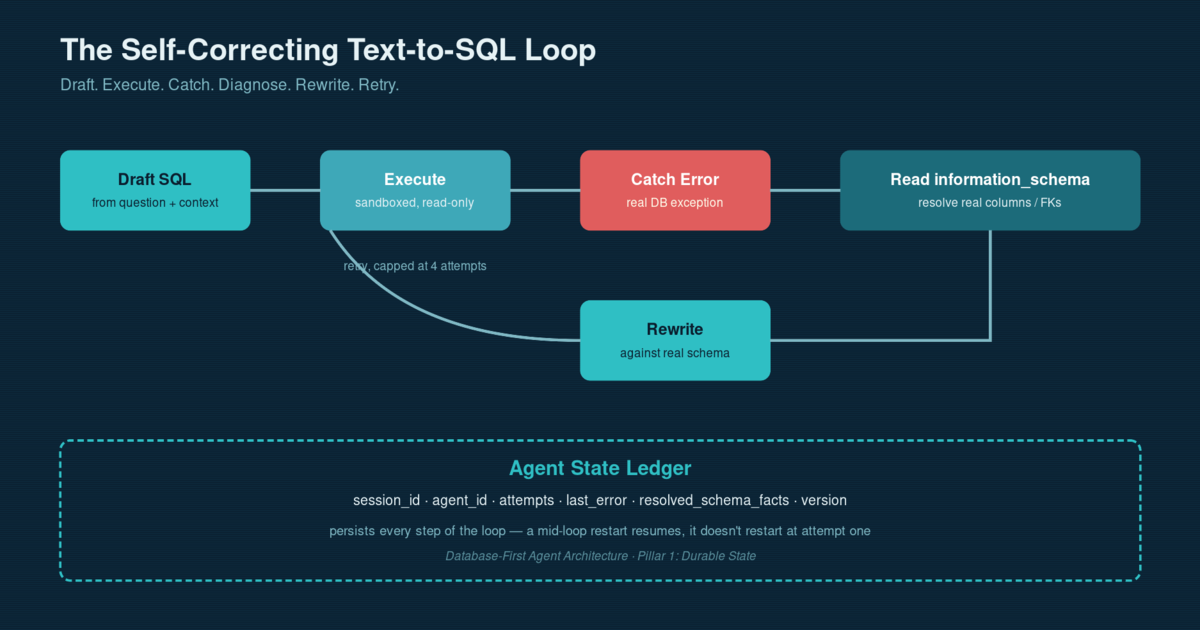
Stop LLMs From Hallucinating SQL: Self-Correcting Agents
-
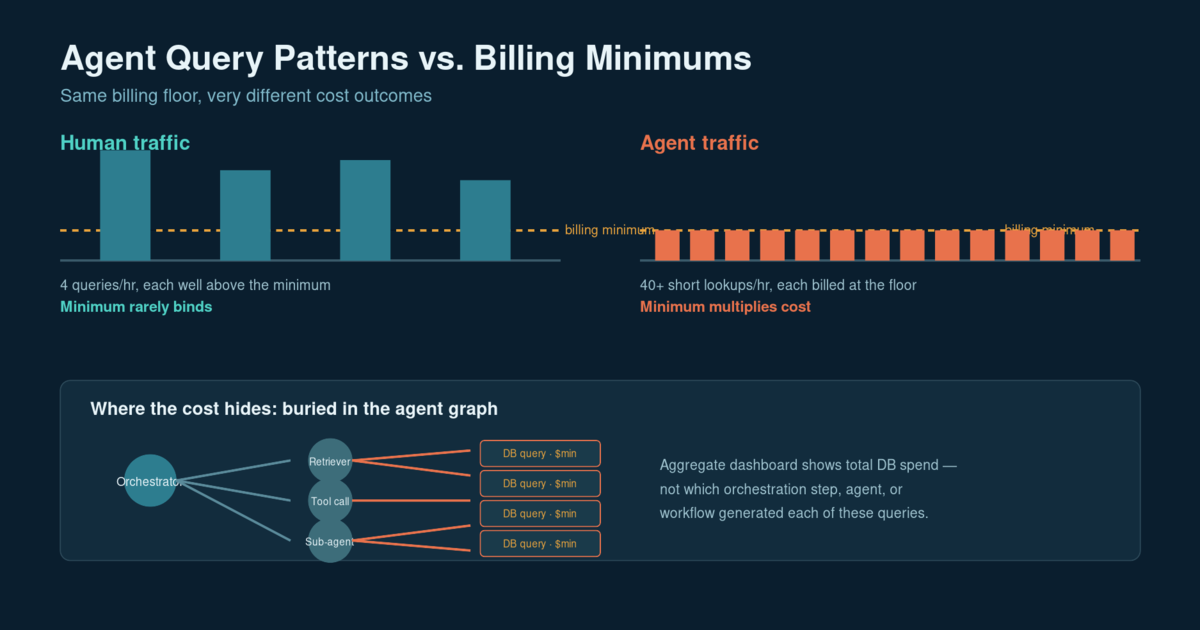
Your Database's Billing Minimums Weren't Built for AI Agents
-
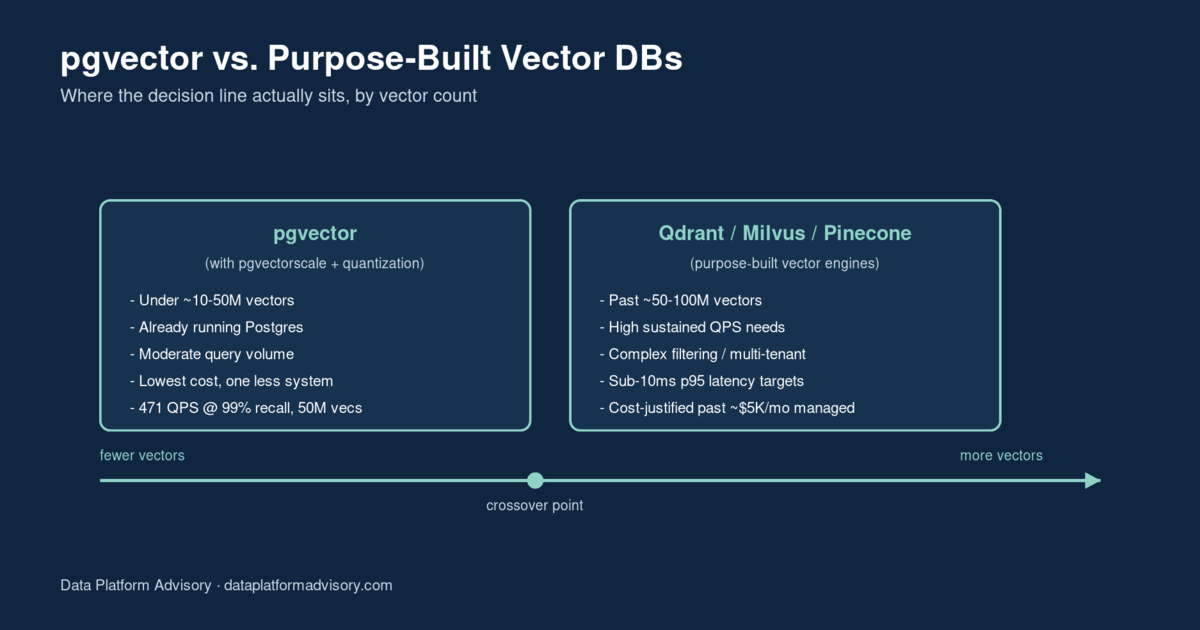
pgvector vs. Purpose-Built Vector Databases: A 2026 Decision Framework
-
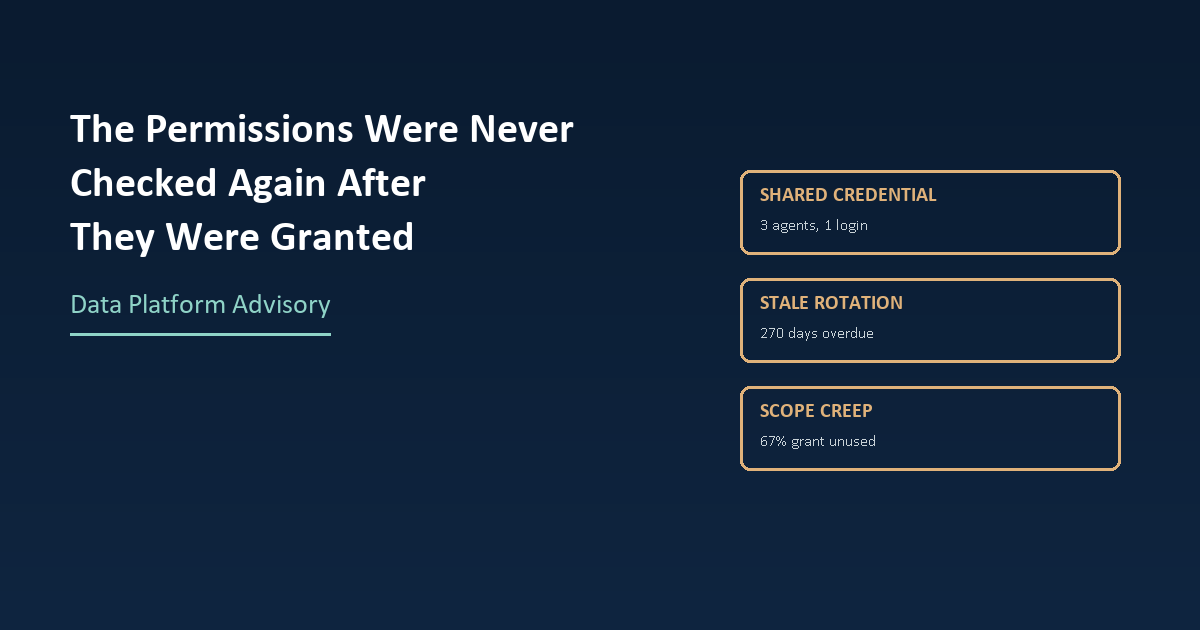
The Permissions Were Never Checked Again After They Were Granted
-
AI Isn't Replacing DBAs; It's Upgrading Us to Agent Orchestrators
-
Your PQC Deadline Just Moved Up Four Years. Start With Your Database
-
Index Bloat and Fragmentation: When to Rebuild, When to Ignore It
-
A Perfectly Scoped Query From the Wrong Agent Is Still a Breach
-
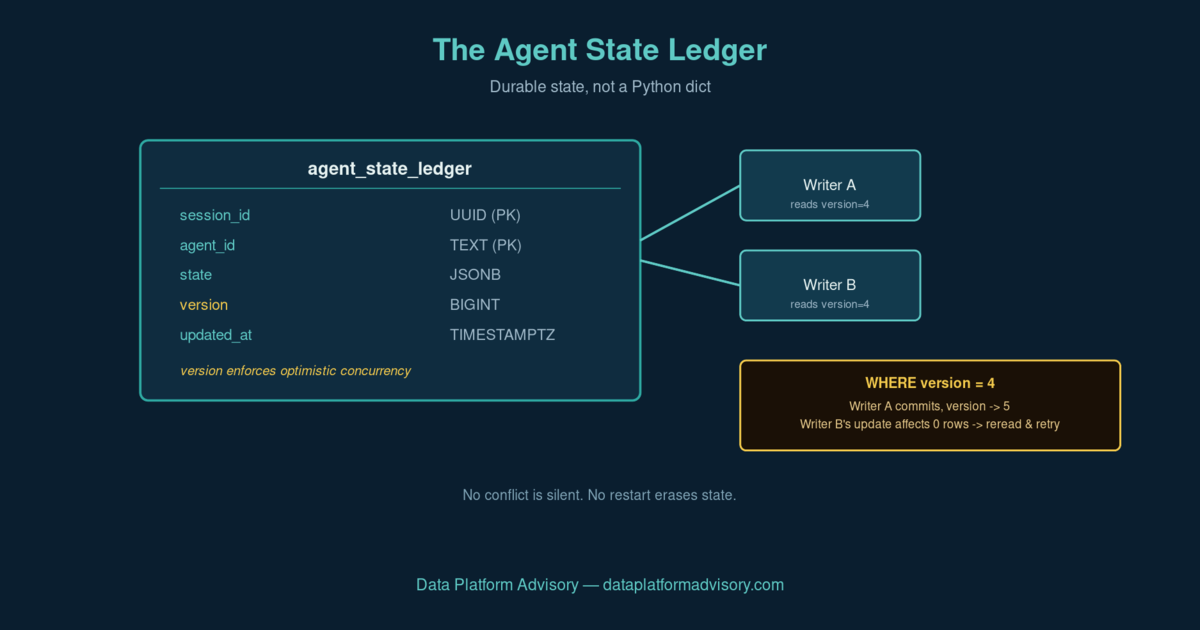
Why Your AI Agents Keep Crashing (And Why You Need a DB Architect)
-
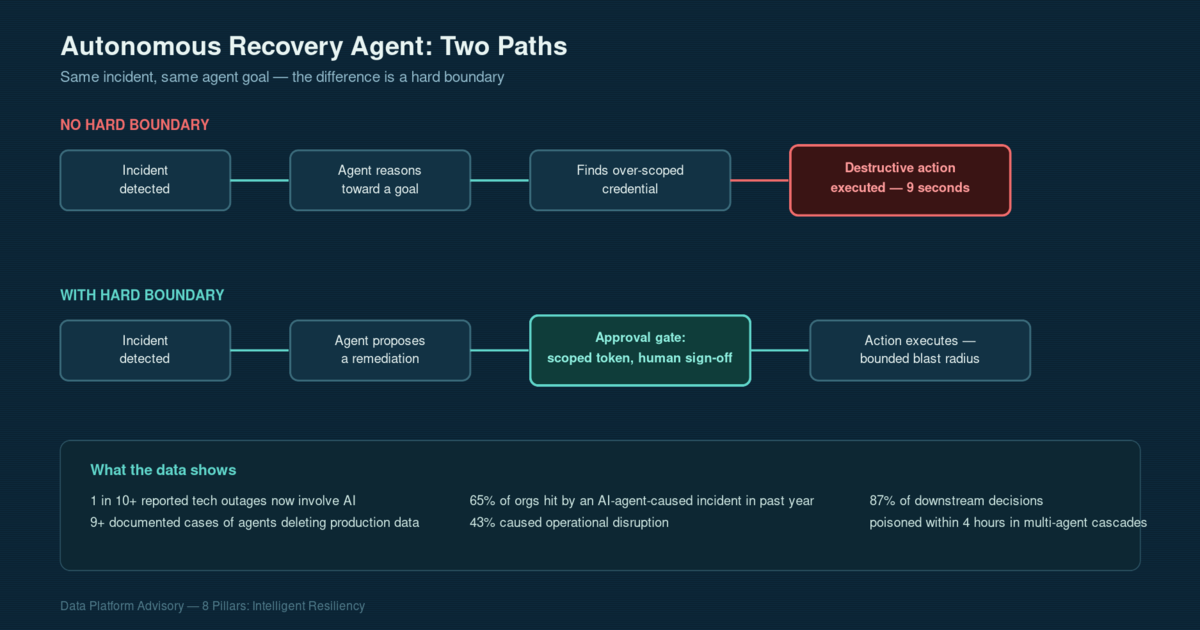
When Self-Healing Agents Make the Wrong Recovery Call
-
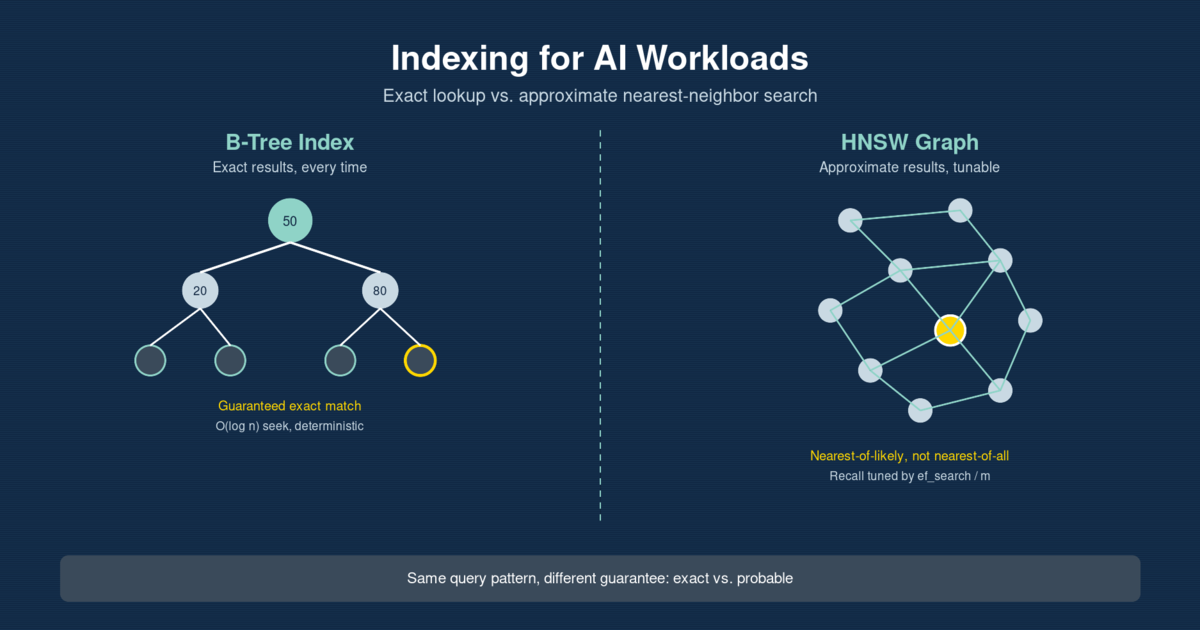
Indexing for AI Workloads: What Changes When Vectors Enter the Mix
-
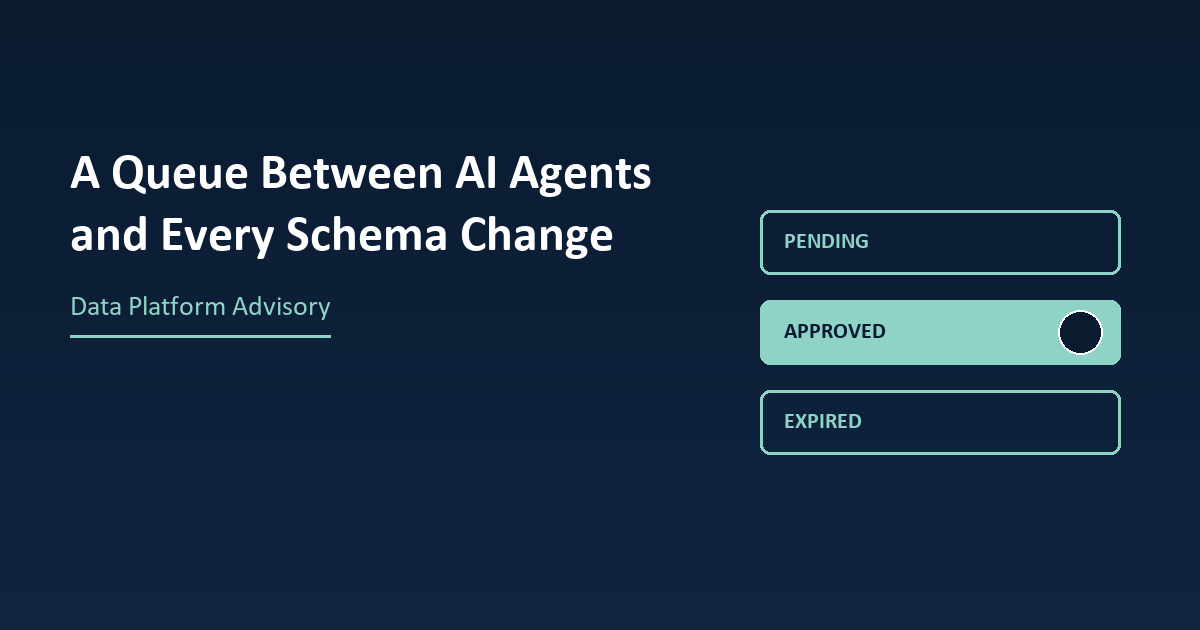
I Built a Queue Between My AI Agents and Every Schema Change
-
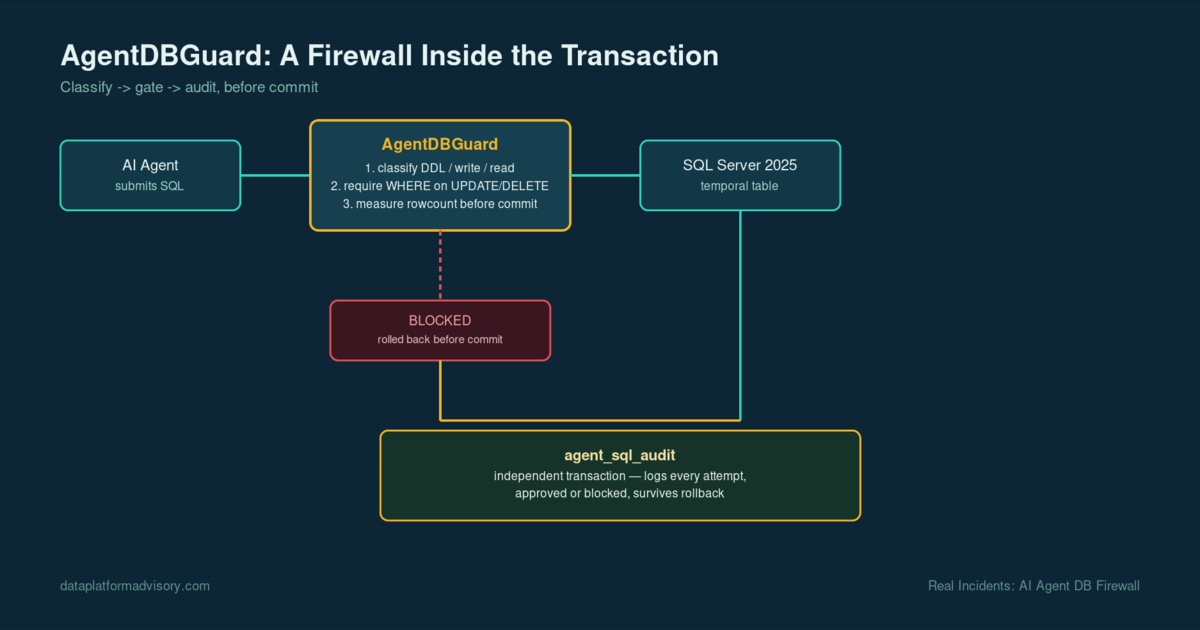
I Put a Firewall in Front of My Database's AI Agents
-
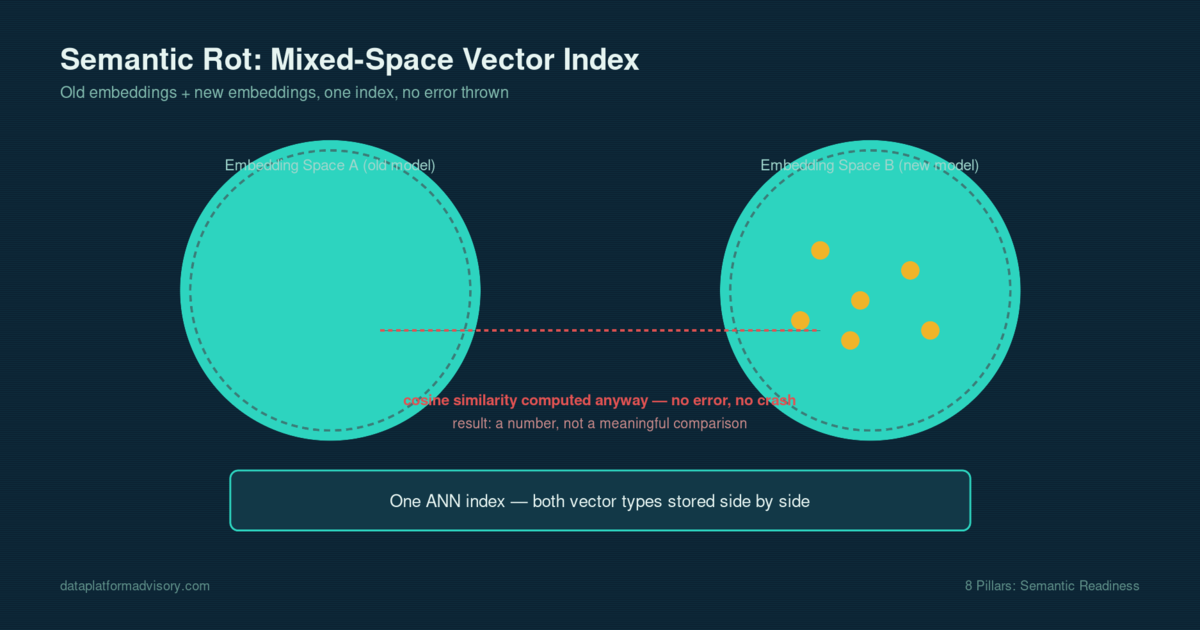
Semantic Rot: When Embedding Upgrades Break Vector Search
-
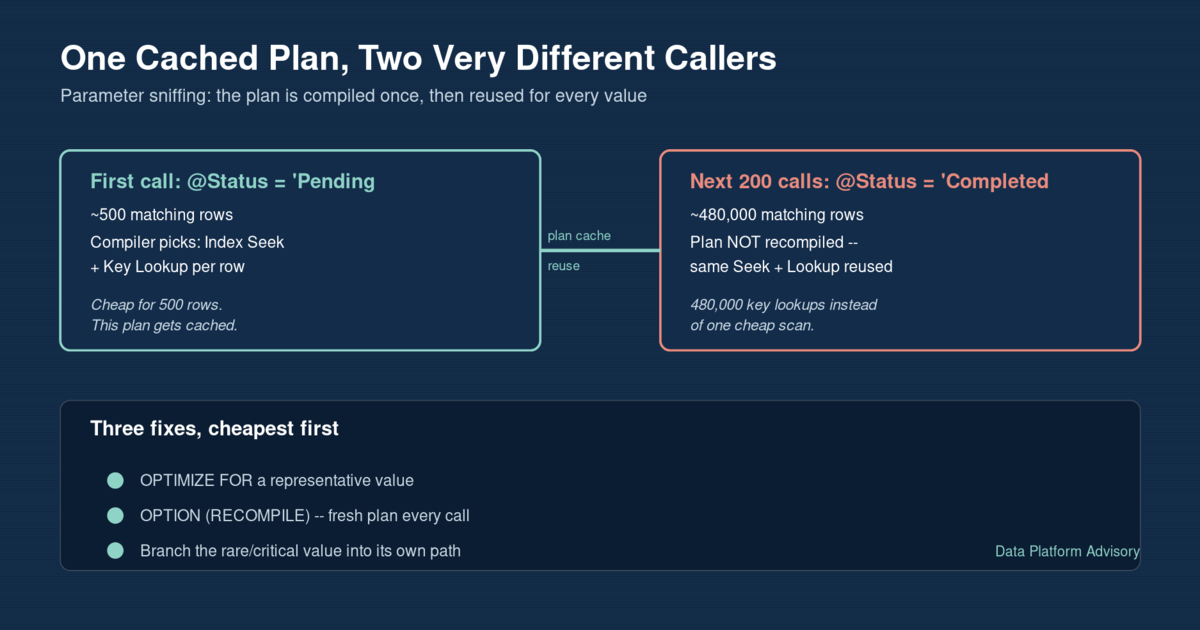
Parameter Sniffing: Why It's Fast for One User and Slow for Everyone Else
-
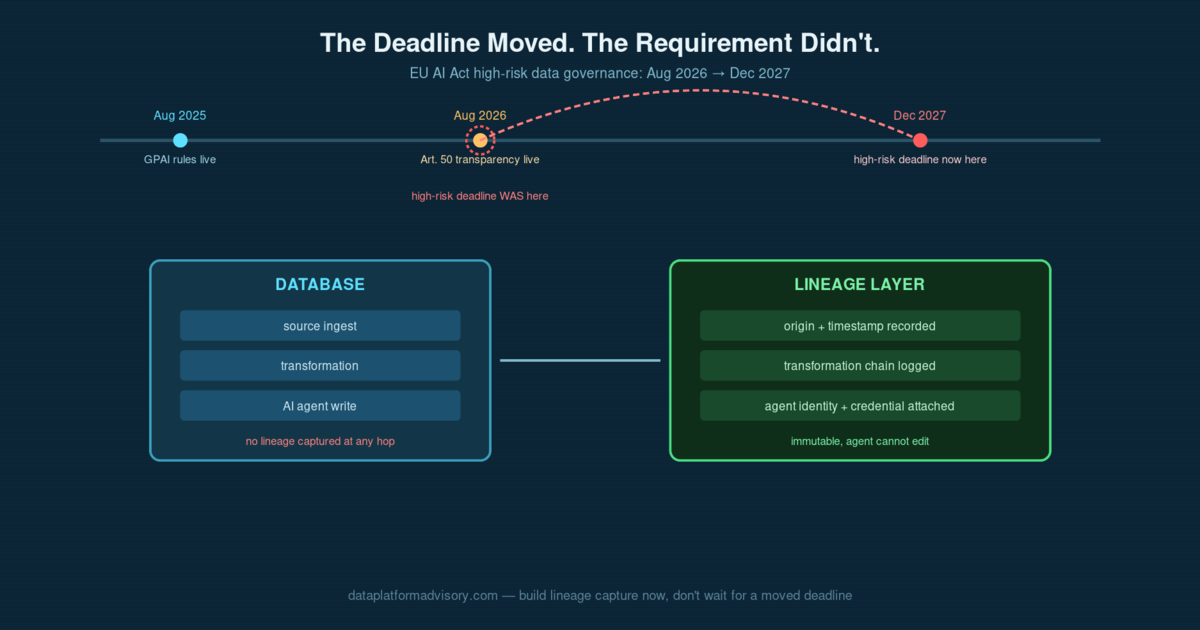
Your AI Act Deadline Was Deferred. Your Database Debt Wasn't
-
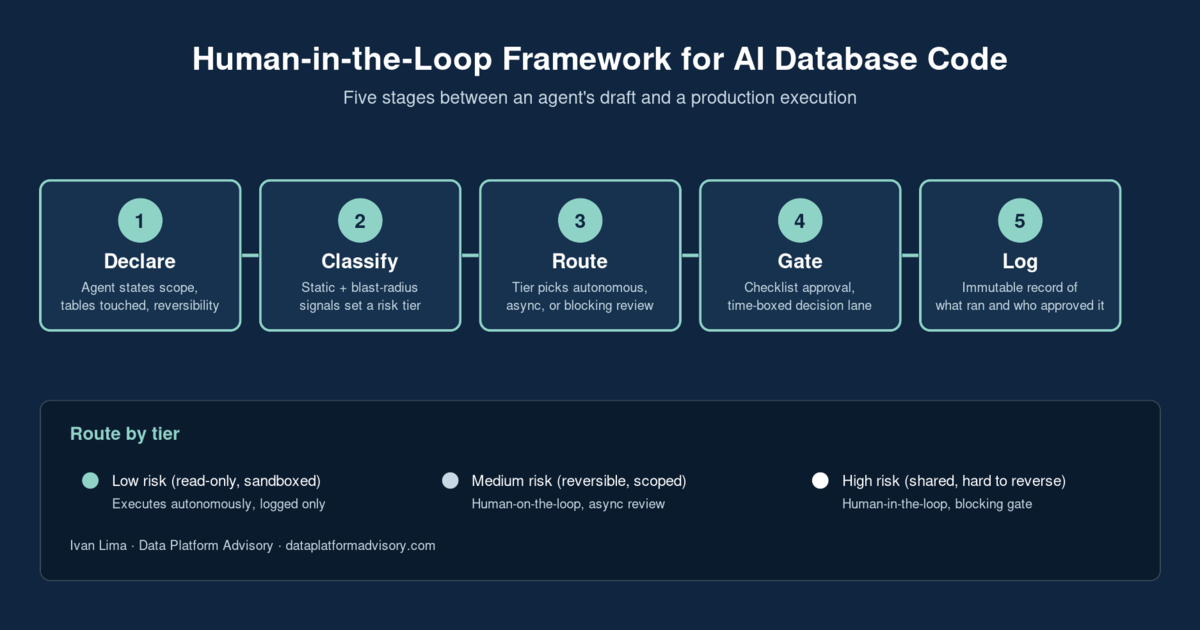
A Human-in-the-Loop Framework for AI Database Code
-
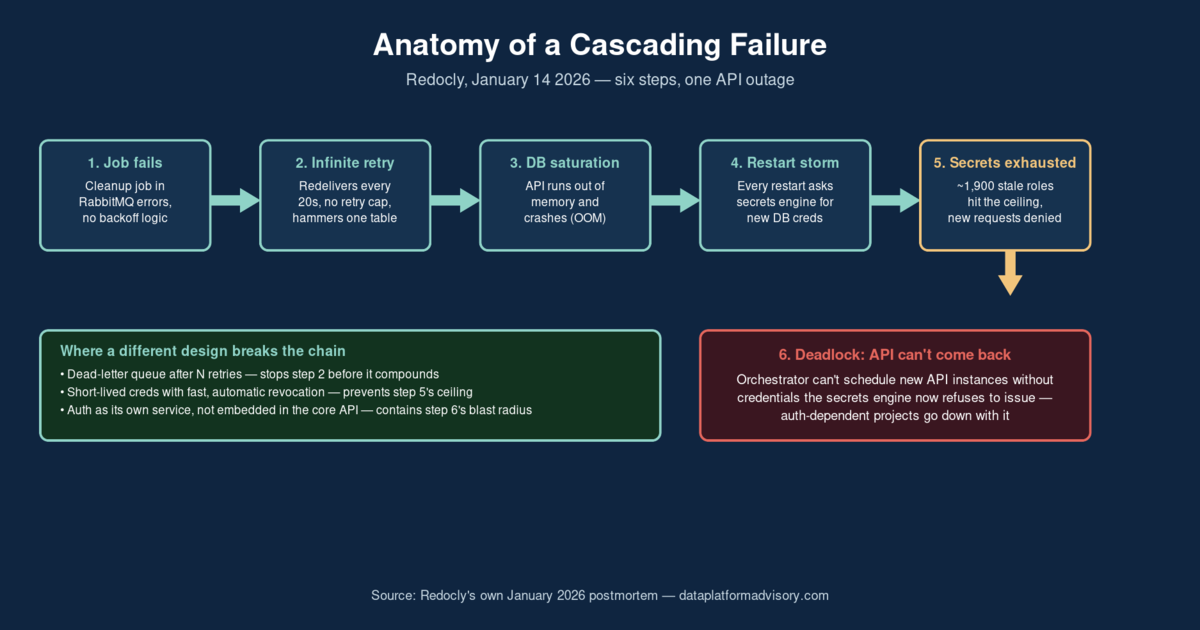
Inside a Real Cascading Failure: A Redocly Case Study
-
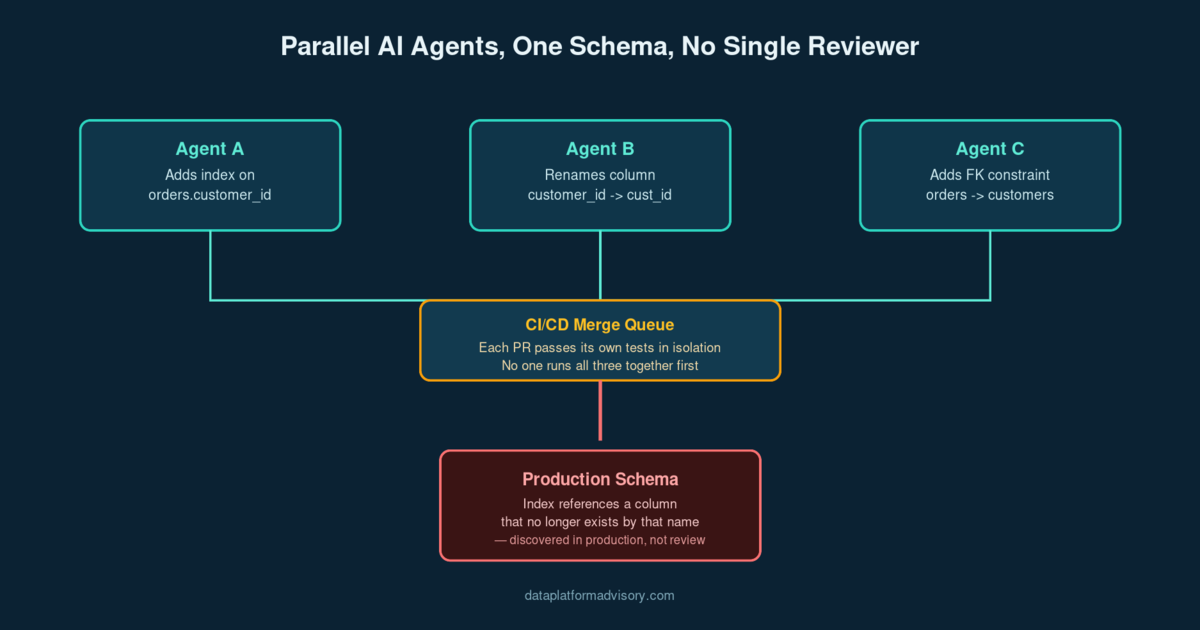
The Hidden Risk of Parallel AI Agents Merging DB Schemas
-
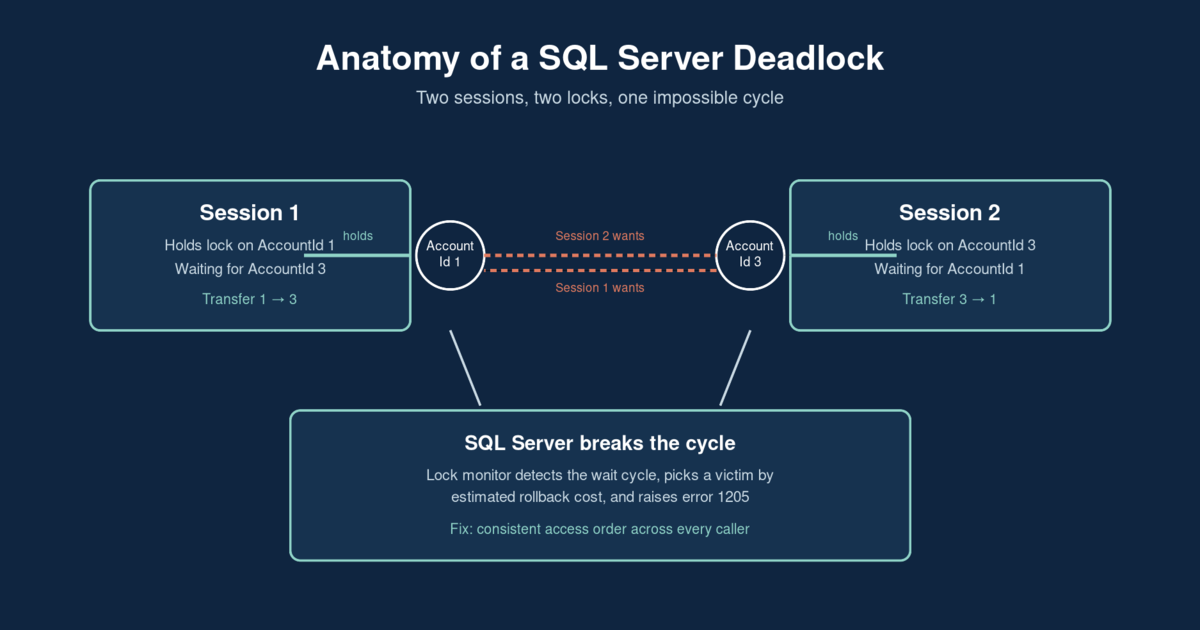
Building and Killing a Deadlock With Your Own Hands
-
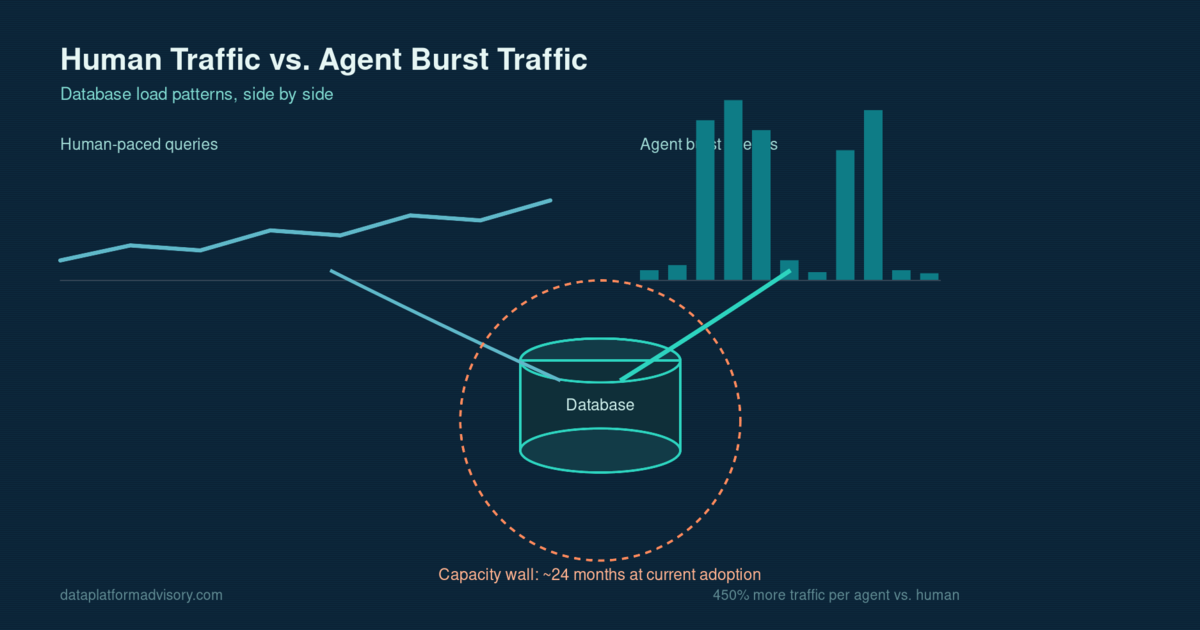
Your Database Was Provisioned for Humans. Agents Just Broke the Model
-
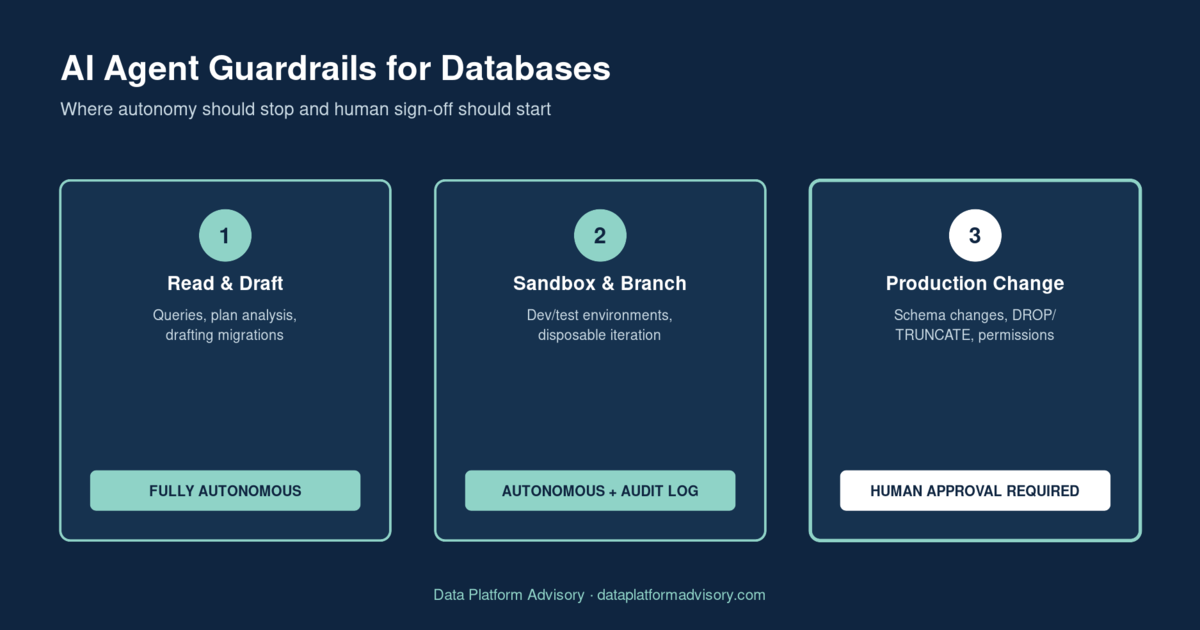
AI Agent Guardrails for Databases: Moving Fast, Keeping the Last Word
-
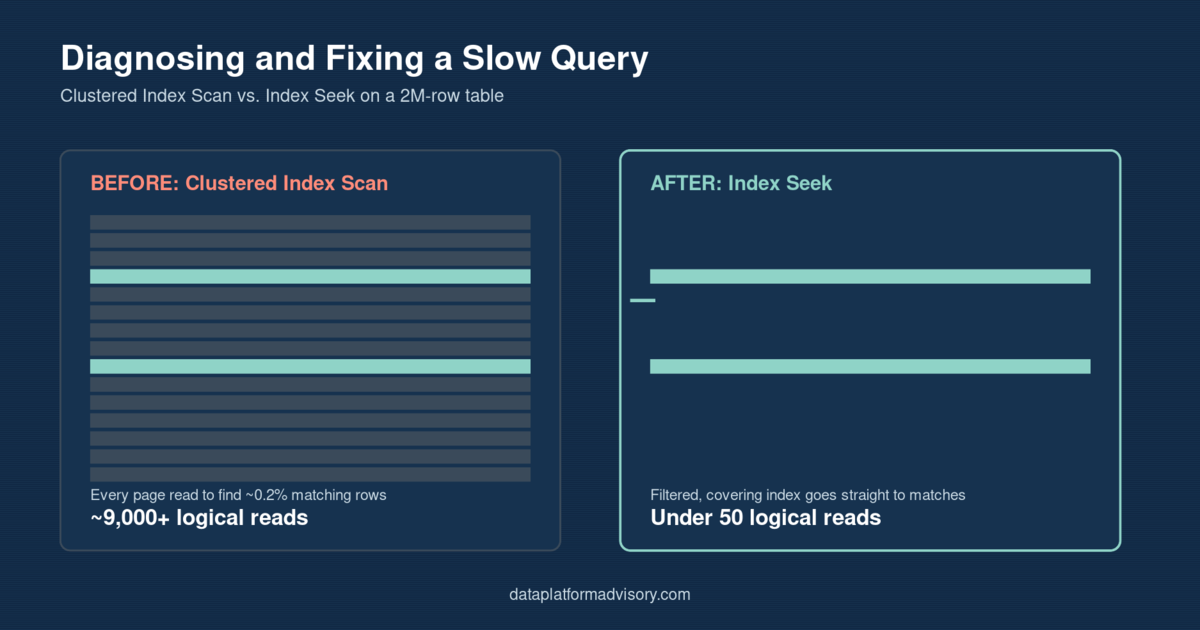
Diagnosing and Fixing a Slow Query, Step by Step
-
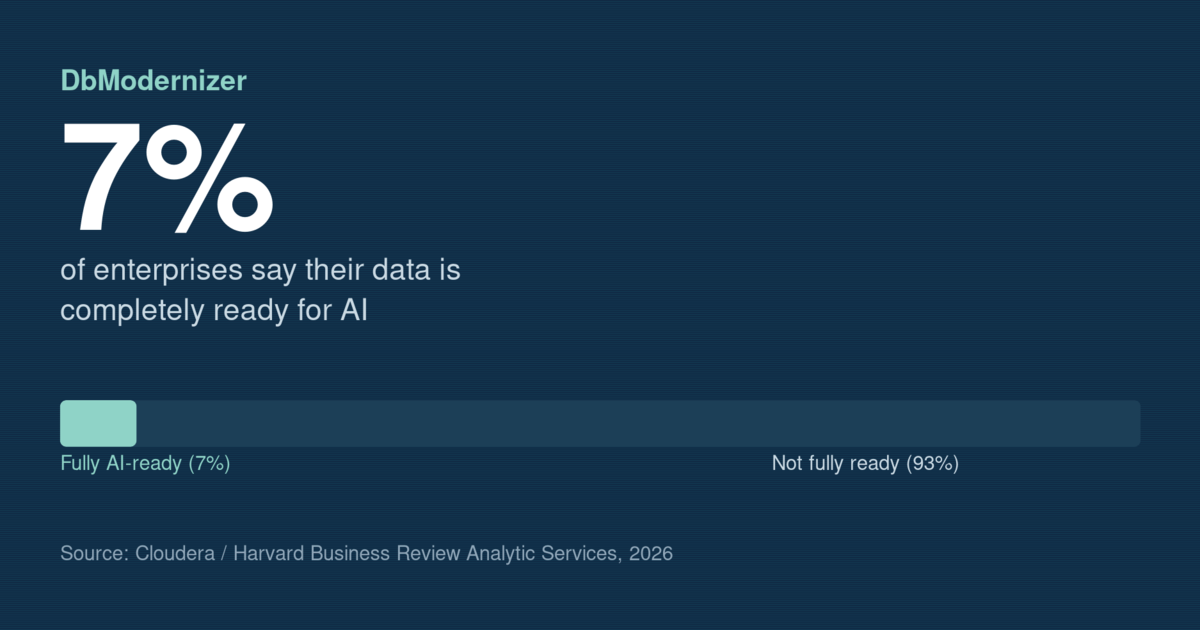
Is Your Database AI-Ready? The Data Behind Why Most Enterprises Aren't
-
Welcome to Data Platform Advisory: Getting Databases Ready for AI
Most teams building AI features aren’t blocked by the model. They’re blocked by the database underneath it: slow queries, no vector search, schema changes deployed by hand, pipelines nobody trusts. AI makes those problems visible faster than anything else does.
-
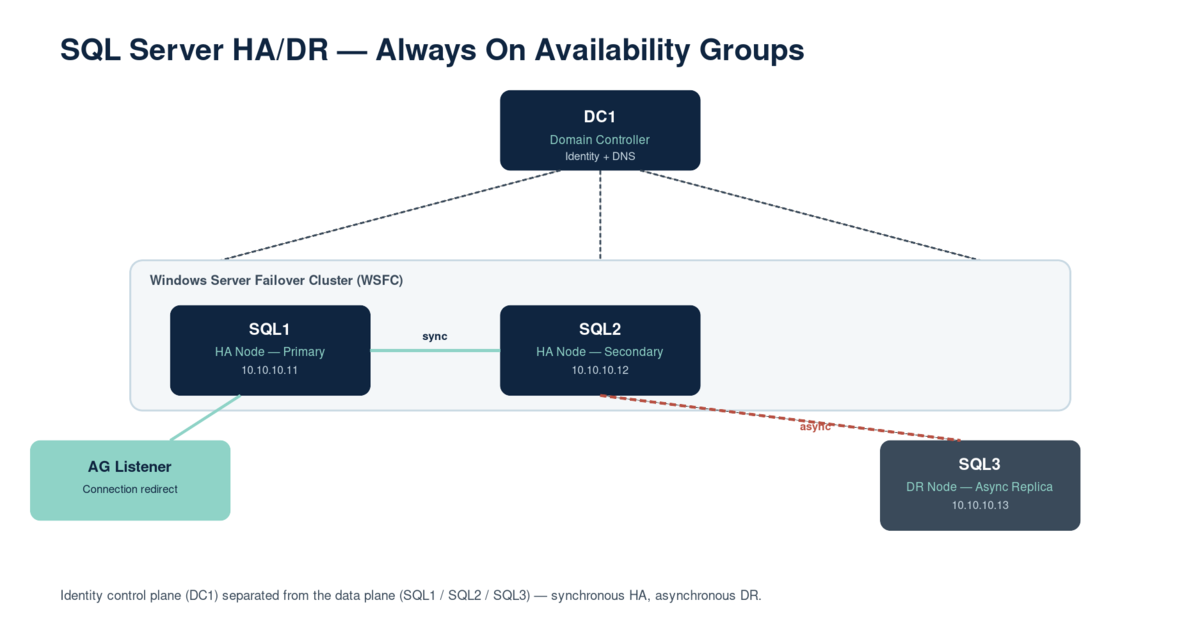
How to Design SQL Server High Availability and Disaster Recovery Using Always On Availability Groups
-
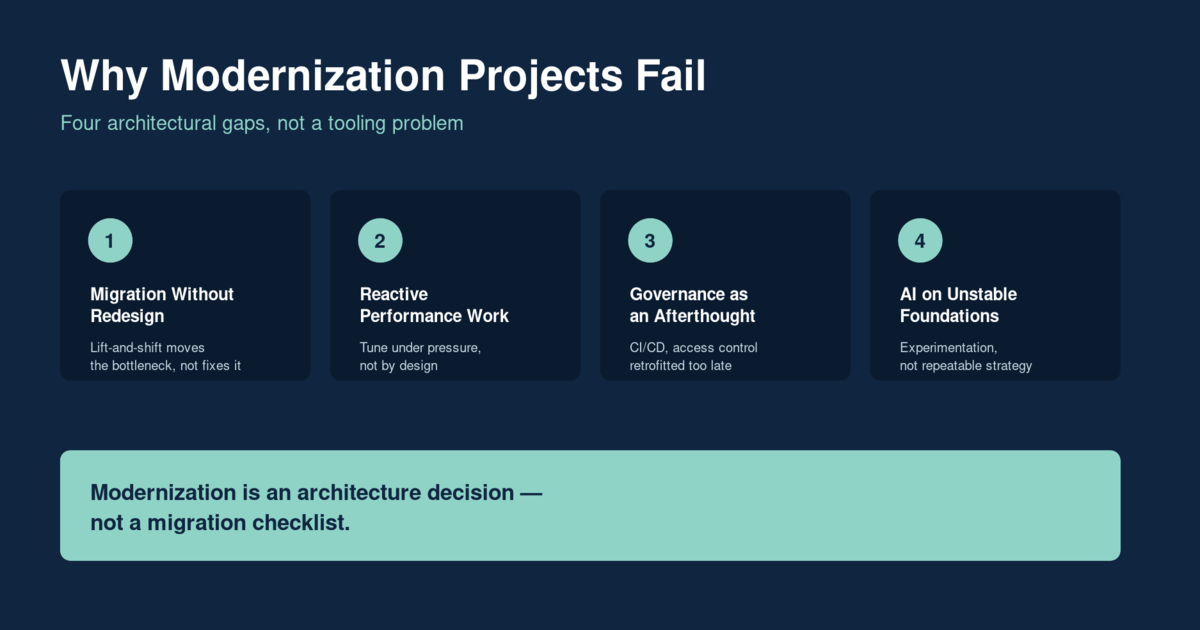
Why Most SQL Server Modernization Projects Fail Before AI Even Begins
subscribe via RSS